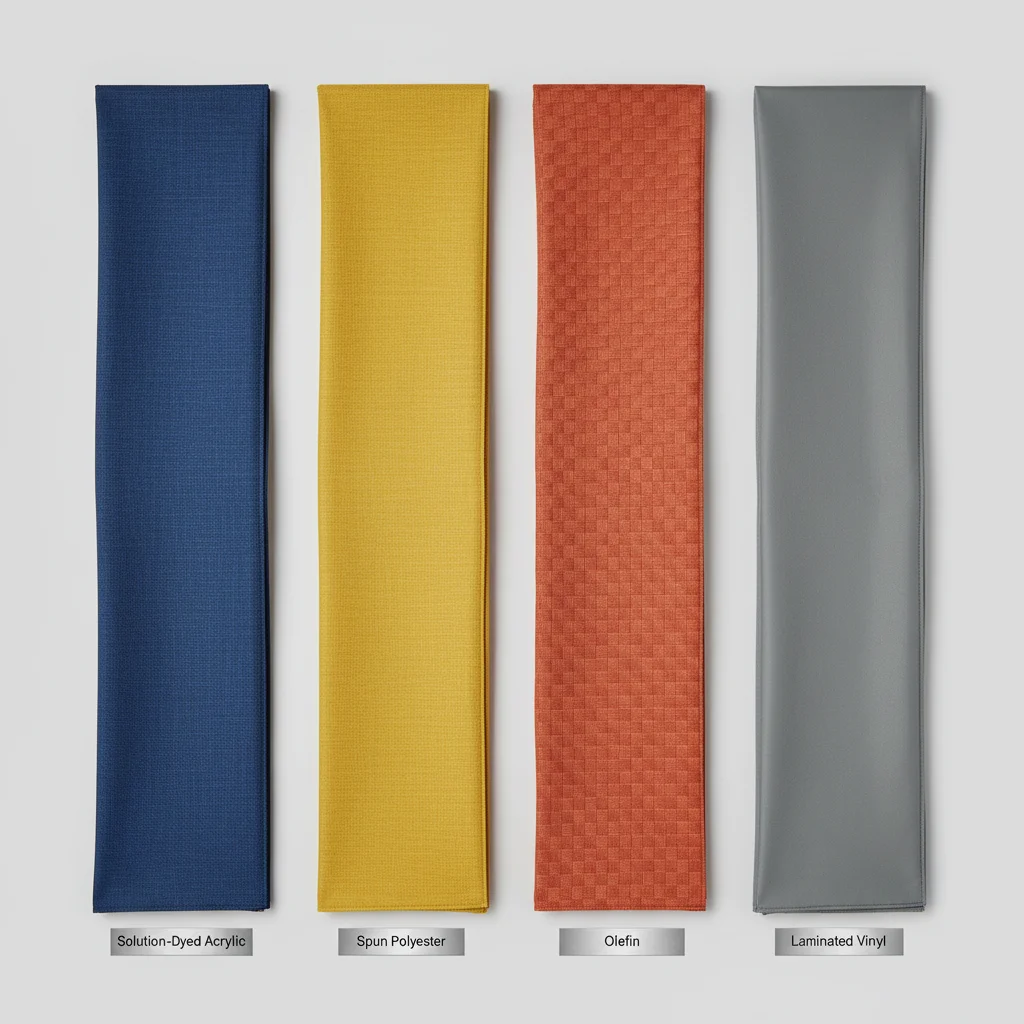
Choosing the right patio umbrella canopy material is crucial for longevity and aesthetic appeal, especially when considering fade resistance. The best patio umbrella canopy materials for resisting fade are solution-dyed acrylics, followed by solution-dyed polyesters and certain high-grade olefins. These materials are engineered to maintain their color vibrancy even after prolonged exposure to harsh UV rays, ensuring your outdoor space remains inviting and attractive for years.
Understanding Solution-Dyed Fabrics
Solution-dyed fabrics are a superior choice for outdoor applications because the color is integrated into the fibers during the manufacturing process, rather than being applied to the surface. This means the color runs all the way through the material, making it highly resistant to fading from sunlight, chlorine, and other environmental factors. This method contrasts sharply with piece-dyed fabrics, where the dye only coats the exterior, leading to quicker fading and a worn appearance over time. When investing in a patio umbrella, prioritizing solution-dyed options will significantly extend its lifespan and maintain its visual appeal. For compare top patio umbrellas on this site.
Top Materials for Fade Resistance
When evaluating patio umbrella canopy materials, several stand out for their exceptional fade resistance. Solution-dyed acrylic, often exemplified by brands like Sunbrella, is widely considered the gold standard. Its fibers are saturated with UV-stable pigments, offering unparalleled protection against sun damage. Solution-dyed polyester is another excellent option, providing a good balance of durability, fade resistance, and affordability. Olefin, or polypropylene, also offers good fade resistance and is often used in more budget-friendly options, though its lifespan might be slightly less than acrylic or high-grade polyester.
- Solution-Dyed Acrylic: Superior fade resistance, excellent durability, often comes with a longer warranty.
- Solution-Dyed Polyester: Very good fade resistance, strong, and more affordable than acrylic.
- Olefin (Polypropylene): Good fade resistance, mildew resistant, and a cost-effective choice.
- Spun Polyester: Decent fade resistance for the price, but generally not as long-lasting as solution-dyed options.
- Vinyl/PVC Coated Polyester: Offers good water resistance and some UV protection, but can be prone to cracking over time.
Factors Affecting Canopy Longevity
|
Our Picks for the Best Patio Umbrella in 2026
As an Amazon Associate I earn from qualifying purchases.
|
||
| Num | Product | Action |
|---|---|---|
| 1 | Kingdura 9ft 3-Tier Patio Umbrella, Outdoor Table Umbrella with Easy Crank & Tilt, 8 Reinforced Ribs, UV Protection for Deck, Pool, Market, Backyard (Beige) |

|
| 2 | MASTERCANOPY Patio Umbrella 9 ft Replacement Canopy for 8 Ribs-Burgundy Canopy Only |
|
| 3 | BACKYARD EXPRESSIONS PATIO · HOME · GARDEN 911554 21 Pound Umbrella Base, Bronze |
|
| 4 | AreShark 9FT Patio Umbrella with Solar Lights, 32 LED Lighted Pool Umbrella w/Tilt and Crank, Outdoor Market Solar Umbrellas for Garden, Deck, Backyard, Pool and Beach, Light Gray |
|
| 5 | ABCCANOPY 9ft Outdoor Umbrella Replacement Top Suit 8 Ribs (Turquoise) |
|
| 6 | JEAREY 9 FT Patio Umbrella Outdoor, Table Umbrellas Market Umbrella w/Push Button Tilt/Crank, 8 Sturdy Ribs(Cerulean) |
|
| 7 | 9ft Patio Umbrella with Push Button Tilt and Crank,Outdoor Market Table Umbrella UV Protection 8 Sturdy Ribs for Backyard,Garden,Pool,Deck |
|
| 8 | 9FT Auto-Tilt Patio Umbrella|Outdoor Market Table Umbrella with 8 Fiberglass Ribs for Pool,Deck&Backyard |
|
| 9 | ABCCANOPY 7.5ft Scalloped Patio Umbrella, Outdoor Table Umbrella with Tilt and Crank, Fiberglass Ribs Deck Umbrella for Patio, Pool, Garden, Picnic (Turquoise) |
|
| 10 | JEAREY 7.5FT Patio Umbrella Outdoor Market Umbrella with 6 Sturdy Ribs, Push Button Tilt/Crank Table Umbrella for Garden, Deck, Backyard and Pool, Royal Blue |
|
Beyond the material type, several other factors influence how long a patio umbrella canopy will resist fading and maintain its integrity. The weave density of the fabric plays a role; tighter weaves generally offer better UV protection. The quality of the UV inhibitors used in the fabric’s treatment is also critical. Furthermore, environmental conditions such as the intensity of sunlight, humidity levels, and exposure to pollutants can accelerate or decelerate the fading process. Regular cleaning and proper storage during off-seasons can also significantly extend the life of your canopy.
Consider the climate you live in. If you’re in a region with intense, year-round sun, investing in a premium solution-dyed acrylic canopy is highly recommended. For areas with milder sun exposure, a high-quality solution-dyed polyester might suffice. Always check the manufacturer’s warranty regarding fade resistance, as this often indicates the expected performance of the material.
Maintenance Tips for Fade-Resistant Canopies
Even the most fade-resistant canopy materials benefit from proper care and maintenance. Regularly cleaning your patio umbrella canopy helps remove dirt, pollen, and other debris that can degrade the fabric over time. Use a mild soap and water solution, and avoid harsh chemicals or bleach, which can strip away protective coatings or even damage the fibers. Ensure the canopy is completely dry before folding and storing it to prevent mildew growth. During periods of strong winds or when the umbrella is not in use for extended periods, closing and securing it, or even removing the canopy, will protect it from unnecessary wear and tear.
Making the Right Choice for Your Outdoor Space
Ultimately, the best patio umbrella canopy material for fade resistance depends on your budget, aesthetic preferences, and the specific environmental conditions of your outdoor space. While solution-dyed acrylics offer the highest level of fade protection and durability, solution-dyed polyesters and olefins provide excellent alternatives that balance performance with cost. By understanding the properties of these materials and implementing proper care, you can ensure your patio umbrella remains a vibrant and functional centerpiece of your outdoor living area for many seasons to come.
Get our weekly buyer guide
Practical specs, not advice. Unsubscribe anytime.

I’m so glad I read up on solution-dyed acrylics before buying my new umbrella. We live in a super sunny area and our old one faded so fast. This new one, made with that material, has been out all summer and still looks brand new. Definitely worth the extra cost for the longevity.
After reading about how color is integrated into the fibers with solution-dyed materials, I was convinced. My previous umbrella looked terrible after just one season. I invested in a better quality one this time, specifically looking for that feature, and it’s made all the difference. My patio looks great all the time now.
I went with a solution-dyed polyester umbrella because the acrylics were a bit out of my budget. It’s holding up okay, but I’ve noticed a slight fade after about six months, especially on the top where the sun hits it hardest. It’s not terrible, but I was hoping for a bit more fade resistance based on what I read. Still, it’s better than my last cheap one.
This info on canopy materials was really helpful. I always just picked whatever looked good, but understanding how solution-dyed fabrics work makes a huge difference. My new umbrella with a high-grade olefin canopy is doing great. It’s been through a few storms and a lot of sun, and the color is still vibrant. Good to know the science behind it!