To clean a moldy patio umbrella without bleach, use a solution of equal parts white vinegar and warm water, or a paste of baking soda and water, applied with a soft-bristle brush. These natural methods effectively remove mold and mildew while protecting the fabric from the damage harsh chemicals like bleach can cause, restoring your umbrella’s appearance and extending its lifespan.
The Unwanted Guest: Understanding Patio Umbrella Mold
Mold and mildew are common adversaries for outdoor furniture, thriving in warm, damp, and shaded environments. Your patio umbrella, constantly exposed to the elements, provides an ideal breeding ground if not properly maintained. These fungi feed on organic matter like pollen, dirt, and moisture trapped within the fabric fibers. Ignoring mold not only ruins the aesthetic appeal but can also weaken the fabric over time, leading to damage and a shortened lifespan for your umbrella.
While bleach might seem like a quick fix, experts often advise against its use on outdoor fabrics. Bleach can be detrimental, potentially causing discoloration, altering the fabric’s consistency, and even weakening its fibers. Bleach often only kills surface mold, leaving the roots intact to regrow, and it can be harmful to the environment. Opting for natural, bleach-free solutions is a safer and often more effective long-term approach for both your umbrella and the planet. For shop curated patio umbrellas on this site.
Essential Gear for a Bleach-Free Mold Removal Mission
Embarking on a bleach-free mold removal project requires a few simple, readily available supplies. Gathering these items before you start will ensure a smooth and efficient cleaning process. You’ll likely find most of what you need already in your pantry or cleaning cupboard.
Here’s what you’ll need:
- White Vinegar: An acidic powerhouse, vinegar is a natural mold killer and deodorizer.
- Baking Soda: Acts as a mild abrasive to lift stubborn stains and neutralize odors.
- Mild Dish Soap or Laundry Detergent: For general cleaning and cutting through grime.
- Warm Water: To mix solutions and rinse.
- Spray Bottle: Ideal for even application of liquid solutions.
- Soft-Bristle Brush: Crucial for scrubbing without damaging fabric fibers. An old nail brush or a car wash brush can work well.
- Garden Hose: For thorough rinsing.
- Rubber Gloves: To protect your hands from mold spores and cleaning solutions.
- Large Bucket or Basin: For mixing solutions and, if applicable, hand washing removable canopies.
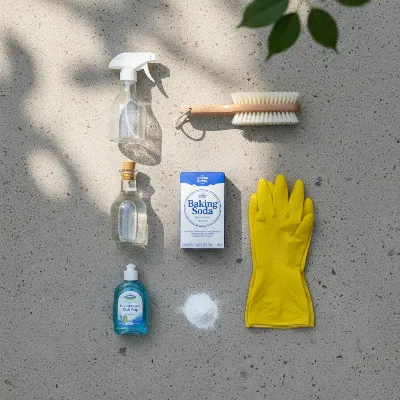 A collection of natural cleaning supplies for a patio umbrella, including white vinegar, baking soda, dish soap, a spray bottle, soft-bristle brush, and gloves.
Step-by-Step DIY Guide to a Spotless Patio Umbrella
Cleaning a moldy patio umbrella effectively without bleach involves a systematic approach, ensuring you tackle the fungi thoroughly while protecting your fabric. Following these steps will help you achieve a fresh, clean shade for your outdoor space.
Prepare Your Workspace and Umbrella
|
Our Picks for the Best Patio Umbrella in 2026
As an Amazon Associate I earn from qualifying purchases.
|
||
| Num | Product | Action |
|---|---|---|
| 1 | JEAREY 9 FT Patio Umbrella Outdoor, Table Umbrellas Market Umbrella w/Push Button Tilt/Crank, 8 Sturdy Ribs(Cerulean) |

|
| 2 | ABCCANOPY 7.5ft Scalloped Patio Umbrella, Outdoor Table Umbrella with Tilt and Crank, Fiberglass Ribs Deck Umbrella for Patio, Pool, Garden, Picnic (Turquoise) |
|
| 3 | Kingdura 9ft 3-Tier Patio Umbrella, Outdoor Table Umbrella with Easy Crank & Tilt, 8 Reinforced Ribs, UV Protection for Deck, Pool, Market, Backyard (Beige) |
|
| 4 | JEAREY 7.5FT Patio Umbrella Outdoor Market Umbrella with 6 Sturdy Ribs, Push Button Tilt/Crank Table Umbrella for Garden, Deck, Backyard and Pool, Royal Blue |
|
| 5 | AreShark 9FT Patio Umbrella with Solar Lights, 32 LED Lighted Pool Umbrella w/Tilt and Crank, Outdoor Market Solar Umbrellas for Garden, Deck, Backyard, Pool and Beach, Light Gray |
|
| 6 | 9ft Patio Umbrella with Push Button Tilt and Crank,Outdoor Market Table Umbrella UV Protection 8 Sturdy Ribs for Backyard,Garden,Pool,Deck |
|
| 7 | BACKYARD EXPRESSIONS PATIO · HOME · GARDEN 911554 21 Pound Umbrella Base, Bronze |
|
| 8 | 9FT Auto-Tilt Patio Umbrella|Outdoor Market Table Umbrella with 8 Fiberglass Ribs for Pool,Deck&Backyard |
|
| 9 | ABCCANOPY 9ft Outdoor Umbrella Replacement Top Suit 8 Ribs (Turquoise) |
|
| 10 | MASTERCANOPY Patio Umbrella 9 ft Replacement Canopy for 8 Ribs-Burgundy Canopy Only |
|
Before diving into the cleaning, proper preparation is key. First, extend your patio umbrella fully and ensure it is securely positioned. If your umbrella canopy is designed to be removable, detaching it can make the cleaning process significantly easier, allowing for more even pressure and access to all areas. Next, use your soft-bristle brush to gently brush off any loose dirt, leaves, or obvious mold spores from the fabric surface. This preliminary step prevents you from rubbing debris deeper into the fabric during cleaning. Always wear rubber gloves to protect your hands from mold spores and cleaning solutions, and work in a well-ventilated area outdoors.
Mix Your Bleach-Free Cleaning Solutions
With your umbrella prepared, it’s time to create your powerful, natural cleaning solutions. For a general mold and mildew remover, combine equal parts white vinegar and warm water in a spray bottle. This solution is excellent for breaking down mold and neutralizing odors. For more stubborn black mold spots or heavily soiled areas, you can create a paste by mixing baking soda with a small amount of water or the vinegar solution until it reaches a thick consistency. A mild dish soap solution (a few drops in warm water) can also be used for initial cleaning of general grime before targeting mold specifically, or even added to your vinegar solution for extra cleaning power.
Apply and Scrub Away the Mold
Begin by generously spraying the vinegar and water solution directly onto the moldy areas of your umbrella. Ensure the fabric is thoroughly saturated. Let the solution sit for about 15 to 30 minutes, allowing the vinegar’s acidic properties to work on breaking down the mold spores. For those particularly stubborn stains, apply the baking soda paste directly onto the affected spots after the vinegar has soaked in.
Using your soft-bristle brush, gently but firmly scrub the treated areas in circular motions. Focus on working the solution into the fabric and lifting the mold. Rinse your brush periodically to avoid spreading mold to clean areas. The baking soda acts as a mild abrasive, helping to exfoliate and lift tough stains without damaging the fabric.
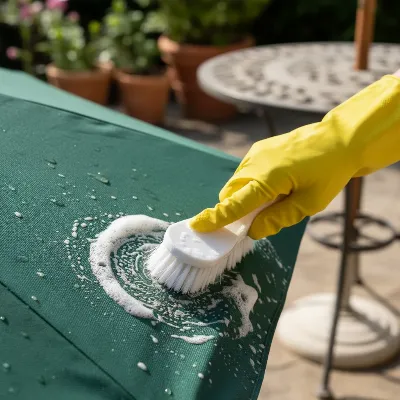 A person wearing gloves using a soft-bristle brush to scrub a moldy patio umbrella with a DIY cleaning solution.
Rinse Thoroughly and Dry Completely
After scrubbing, it’s crucial to rinse your patio umbrella thoroughly. Use a garden hose to wash away all the cleaning solution and dislodged mold residues. Ensure no soapy or vinegary residue remains, as leftover cleaning agents can attract new dirt and potentially lead to further mold growth. Rinse until the water runs clear from the fabric.
The final and arguably most critical step is proper drying. Mold thrives in moisture, so it’s imperative that your umbrella dries completely. Open the umbrella fully and leave it in direct sunlight. The sun’s natural UV rays act as a disinfectant, helping to kill any lingering mold spores and ensuring the fabric is bone dry. Never fold or store your umbrella while it’s still damp, as this is an open invitation for mold to return. Air drying is always preferred over using a machine dryer, as high heat can damage outdoor fabrics.
Beyond the Clean: Preventing Future Mold Growth
Achieving a clean, mold-free patio umbrella is a victory, but keeping it that way requires consistent preventative measures. Proactive care is far easier than intensive cleaning, safeguarding your investment and ensuring your outdoor space remains pristine.
The most crucial step in preventing mold is keeping your umbrella dry. After rain showers or heavy dew, always open your umbrella completely and allow it to air dry thoroughly before closing or storing it. Moisture trapped in folded fabric is a primary cause of mold formation. Regular light cleaning also plays a significant role; periodically brush off loose dirt and debris, and a quick wipe-down with a mild soap and water solution can prevent organic matter from accumulating and becoming a food source for mold.
When your umbrella isn’t in use, especially during off-seasons or extended periods, proper storage is essential. Store it in a dry, well-ventilated area, ideally covered with a breathable, protective cover. These covers help shield the fabric from dust, moisture, and environmental pollutants. If you are purchasing a new umbrella, consider investing in one made from mold-resistant fabrics like certain types of acrylic or olefin, which are designed to repel water and inhibit fungal growth. Ensuring adequate airflow around your umbrella when it’s open can also help it dry faster and reduce the likelihood of mold.
“A dry umbrella is a happy umbrella. Most mold issues stem from trapped moisture, so ensuring complete dryness before closing or storing is your best defense.” – Alex Stone, Outdoor Furniture Care Specialist
Conclusion
Restoring your patio umbrella to its original glory doesn’t require harsh chemicals. By embracing natural, bleach-free DIY methods using white vinegar and baking soda, you can effectively eliminate mold and mildew, leaving your outdoor shade clean and fresh. The combination of simple household ingredients, a soft-bristle brush, and the power of sunlight offers a safe and sustainable way to maintain your patio essential. Thorough rinsing and complete drying are paramount, not only for the immediate clean but also for preventing future mold infestations. With consistent care and these proven techniques, your patio umbrella will continue to provide comfort and style for many seasons to come.
What are your go-to natural cleaning tricks for outdoor fabrics?
Frequently Asked Questions
What if stubborn black mold won’t come off with vinegar and baking soda?
For extremely stubborn black mold, you might need to repeat the cleaning process multiple times, allowing the solutions to soak longer. If DIY methods still don’t yield satisfactory results, consider consulting a professional outdoor fabric cleaner who specializes in mold remediation for delicate materials.
Is white vinegar safe for all patio umbrella fabrics?
White vinegar is generally safe for most outdoor fabrics like polyester, acrylic, and olefin. However, it’s always recommended to perform a patch test on an inconspicuous area of the fabric first to ensure no discoloration or damage occurs, especially on highly colored or delicate materials.
How often should I clean my patio umbrella to prevent mold?
The frequency depends on your local climate and usage. In humid or rainy environments, or if your umbrella is under trees, a light cleaning monthly and spot treatments as needed are advisable. Always ensure it dries completely after any rain or washing to prevent mold from taking hold.
Can I use a pressure washer to clean my patio umbrella?
Using a pressure washer is generally not recommended for patio umbrellas. The high-pressure spray can damage the fabric fibers, remove protective coatings, and even weaken the stitching, leading to premature wear and tear. A garden hose with a gentle spray is sufficient for rinsing.
What’s the best way to store a patio umbrella during winter?
For winter storage, ensure your patio umbrella is completely clean and dry. Fold it neatly and place it in a breathable storage bag or cover. Store it indoors in a cool, dry, and well-ventilated area, such as a garage or shed, to protect it from extreme weather and prevent mold growth.
Are there any commercial bleach-free mold removers for umbrellas?
Yes, several commercial products are specifically designed as bleach-free mold and mildew removers for outdoor fabrics. Look for options that are labeled as safe for canvas, acrylic, or marine fabrics, and always follow the manufacturer’s instructions for application and rinsing.
Frequently Asked Questions
What if stubborn black mold won't come off with vinegar and baking soda?
For extremely stubborn black mold, repeat the cleaning process multiple times, allowing the solutions to soak longer than 30 minutes. If DIY methods still don't yield satisfactory results, consider consulting a professional outdoor fabric cleaner who specializes in mold remediation for delicate materials.
Is white vinegar safe for all patio umbrella fabrics?
White vinegar is generally safe for most outdoor fabrics like polyester, acrylic, and olefin. However, it's always recommended to perform a patch test on an inconspicuous area of the fabric first to ensure no discoloration or damage occurs, especially on highly colored or delicate materials.
How often should I clean my patio umbrella to prevent mold?
The frequency depends on your local climate and usage. In humid or rainy environments, or if your umbrella is under trees, a light cleaning monthly and spot treatments as needed are advisable. Always ensure it dries completely after any rain or washing to prevent mold from taking hold.
Can I use a pressure washer to clean my patio umbrella?
Using a pressure washer is generally not recommended for patio umbrellas. The high-pressure spray can damage the fabric fibers, remove protective coatings, and even weaken the stitching, leading to premature wear and tear. A garden hose with a gentle spray is sufficient for rinsing.
What's the best way to store a patio umbrella during winter?
For winter storage, ensure your patio umbrella is completely clean and dry. Fold it neatly and place it in a breathable storage bag or cover. Store it indoors in a cool, dry, and well-ventilated area, such as a garage or shed, to protect it from extreme weather and prevent mold growth.
Are there any commercial bleach-free mold removers for umbrellas?
Yes, several commercial products are specifically designed as bleach-free mold and mildew removers for outdoor fabrics. Look for options that are labeled as safe for canvas, acrylic, or marine fabrics, and always follow the manufacturer's instructions for application and rinsing.
How to Clean a Moldy Patio Umbrella Without Bleach
Restore your patio umbrella's beauty by effectively removing mold and mildew using natural, bleach-free solutions like white vinegar and baking soda.
Extend your patio umbrella fully and secure it. If removable, detach the canopy for easier access. Use a soft-bristle brush to gently remove loose dirt and mold spores, always wearing rubber gloves and working in a well-ventilated outdoor area.
Create a general mold remover by combining equal parts white vinegar and warm water in a spray bottle. For stubborn black mold, mix baking soda with a small amount of water or vinegar solution to form a thick paste. A mild dish soap solution can also be used for initial grime.
Spray the vinegar solution generously onto moldy areas and let it sit for 15 to 30 minutes. For stubborn spots, apply the baking soda paste. Gently but firmly scrub the treated areas with a soft-bristle brush in circular motions, rinsing the brush periodically to avoid spreading mold.
Use a garden hose to thoroughly rinse all cleaning solution and dislodged mold residues from the umbrella until the water runs clear. Open the umbrella fully and leave it in direct sunlight to dry completely. Never fold or store a damp umbrella, as this encourages mold regrowth.
Always ensure your umbrella is completely dry after rain or cleaning before closing or storing it. Regularly brush off loose dirt and debris. For off-season storage, cover it with a breathable, protective cover and store it in a dry, well-ventilated area.
Get our weekly buyer guide
Practical specs, not advice. Unsubscribe anytime.

This guide was a lifesaver! I’ve always just tossed my umbrellas when they got too moldy because I was worried about damaging the fabric with bleach. Understanding that mold feeds on organic matter like pollen and dirt really helped me realize why my umbrella was getting so bad. The soft-bristle brush tip was key for getting into all the crevices without harming the material. My umbrella looks much better now.
I was so skeptical about cleaning my umbrella without bleach, but the white vinegar and warm water solution worked wonders! My umbrella had some serious black spots from being left out all winter, and now it looks almost new. I’m really impressed with how well it cleaned the fabric without any harsh smells or discoloration. Definitely recommend this method for anyone dealing with stubborn mold.
I’m so glad I found these tips! My patio umbrella was a disaster after a particularly wet spring, and I was ready to just buy a new one. The idea of protecting the fabric from damage was really appealing, and the natural methods mentioned here delivered. It’s amazing how effective simple household items can be. My umbrella is clean and ready for summer!
I tried the baking soda paste on my umbrella, and while it did get rid of most of the mildew, some of the really deep-set stains are still faintly there. It was a bit more effort than I expected to get it all scrubbed off. It’s definitely better than it was, but I was hoping for a complete removal. Maybe my mold was just too far gone.