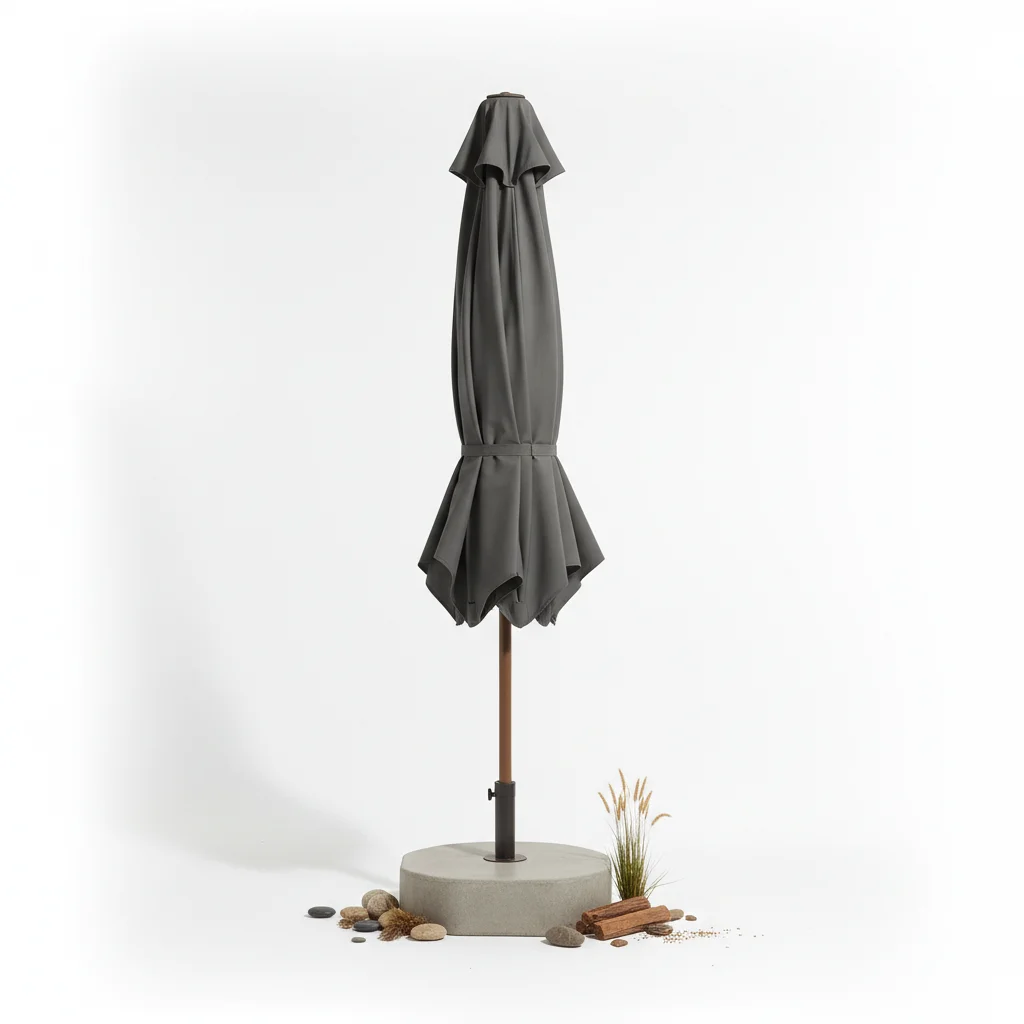
The durability of a patio umbrella largely depends on its construction materials, fabric quality, and how well it’s maintained. On average, a well-cared-for patio umbrella can last anywhere from 3 to 7 years, with some high-quality models extending beyond a decade. Factors like exposure to harsh weather, frequency of use, and proper storage significantly impact its lifespan. Understanding these elements can help you make an informed purchase and extend the life of your outdoor shade.
Key Factors Influencing Patio Umbrella Lifespan
Several critical components contribute to how long your patio umbrella will endure the elements. The frame material, for instance, plays a significant role. Aluminum frames offer excellent rust resistance and are lightweight, making them a popular choice for many homeowners. Wood frames, while aesthetically pleasing, require more maintenance to prevent rot and insect damage. Steel frames are robust but can be prone to rust if not properly coated. For more patio umbrellas guides on this site.
The canopy fabric is another major determinant of durability. Fabrics like solution-dyed acrylic (e.g., Sunbrella) are renowned for their fade resistance, UV protection, and ability to withstand mildew. Polyester, while more affordable, may not offer the same longevity or colorfastness. Understanding the pros and cons of each material is crucial for predicting how long your umbrella will maintain its appearance and functionality.
Impact of Weather Exposure on Longevity
Constant exposure to sun, rain, and wind can drastically shorten a patio umbrella’s life. UV rays degrade fabric over time, leading to fading and weakening of the material. Heavy rains can cause mildew if the canopy isn’t allowed to dry properly, and strong winds are a leading cause of structural damage, bending ribs, or even toppling the entire umbrella. Areas with extreme weather conditions will naturally see a shorter lifespan for their outdoor shade solutions.
Proper precautions, such as closing the umbrella during high winds or heavy rain, and using a protective cover when not in use, can significantly mitigate these effects. For those in particularly windy regions, investing in a wind-resistant umbrella with features like vented canopies or robust bases is a wise decision.
Maintenance Practices for Extended Durability
|
Our Picks for the Best Patio Umbrella in 2026
As an Amazon Associate I earn from qualifying purchases.
|
||
| Num | Product | Action |
|---|---|---|
| 1 | JEAREY 9 FT Patio Umbrella Outdoor, Table Umbrellas Market Umbrella w/Push Button Tilt/Crank, 8 Sturdy Ribs(Cerulean) |

|
| 2 | 9ft Patio Umbrella with Push Button Tilt and Crank,Outdoor Market Table Umbrella UV Protection 8 Sturdy Ribs for Backyard,Garden,Pool,Deck |
|
| 3 | MASTERCANOPY Patio Umbrella 9 ft Replacement Canopy for 8 Ribs-Burgundy Canopy Only |
|
| 4 | Kingdura 9ft 3-Tier Patio Umbrella, Outdoor Table Umbrella with Easy Crank & Tilt, 8 Reinforced Ribs, UV Protection for Deck, Pool, Market, Backyard (Beige) |
|
| 5 | ABCCANOPY 9ft Outdoor Umbrella Replacement Top Suit 8 Ribs (Turquoise) |
|
| 6 | BACKYARD EXPRESSIONS PATIO · HOME · GARDEN 911554 21 Pound Umbrella Base, Bronze |
|
| 7 | 9FT Auto-Tilt Patio Umbrella|Outdoor Market Table Umbrella with 8 Fiberglass Ribs for Pool,Deck&Backyard |
|
| 8 | AreShark 9FT Patio Umbrella with Solar Lights, 32 LED Lighted Pool Umbrella w/Tilt and Crank, Outdoor Market Solar Umbrellas for Garden, Deck, Backyard, Pool and Beach, Light Gray |
|
| 9 | ABCCANOPY 7.5ft Scalloped Patio Umbrella, Outdoor Table Umbrella with Tilt and Crank, Fiberglass Ribs Deck Umbrella for Patio, Pool, Garden, Picnic (Turquoise) |
|
| 10 | JEAREY 7.5FT Patio Umbrella Outdoor Market Umbrella with 6 Sturdy Ribs, Push Button Tilt/Crank Table Umbrella for Garden, Deck, Backyard and Pool, Royal Blue |
|
Regular maintenance is paramount to maximizing your patio umbrella’s lifespan. This includes routine cleaning of the canopy to prevent dirt and mildew buildup. A simple solution of mild soap and water can often suffice, followed by thorough rinsing and drying. Inspecting the frame and crank mechanism for any signs of wear or damage can also help in early detection and repair, preventing minor issues from escalating into major problems.
- Clean canopy regularly with mild soap and water.
- Inspect frame and mechanism for wear or damage.
- Close umbrella during strong winds or heavy rain.
- Use a protective cover when not in use.
- Store indoors during off-season or harsh weather.
Choosing a Durable Patio Umbrella: What to Look For
When purchasing a new patio umbrella, prioritize durability by looking for specific features. Opt for frames made from rust-resistant materials like powder-coated aluminum or marine-grade stainless steel. For the canopy, solution-dyed acrylic fabrics are a top choice for their fade and weather resistance. Consider umbrellas with reinforced ribs and sturdy pole construction, especially if you live in a windy area.
Additionally, pay attention to the base. A heavy, stable base is essential for preventing tipping and ensuring the umbrella remains upright in moderate breezes. Some umbrellas offer interchangeable parts, which can be a cost-effective way to extend their life by replacing only the damaged components rather than the entire unit.
When to Consider Replacing Your Patio Umbrella
Even with the best care, there comes a time when replacement is more practical than repair. Signs that your patio umbrella has reached the end of its useful life include significant fading or tearing of the canopy, a bent or broken frame that compromises stability, or a malfunctioning crank or tilt mechanism that cannot be easily fixed. While some minor repairs are feasible, extensive damage can make the umbrella unsafe or ineffective. Investing in a new, durable model ensures continued enjoyment of your outdoor space with reliable shade.
Get our weekly buyer guide
Practical specs, not advice. Unsubscribe anytime.

I bought a cheaper wood frame umbrella last spring, and while it looked nice initially, it’s already showing signs of wear. I didn’t realize how much maintenance wood frames needed until it was too late. Next time, I’ll definitely go for an aluminum one for less hassle and better durability.
We live in an area with pretty harsh summers, so I was worried about how long an umbrella would last. We got a high-quality model with a really good fabric, and after 6 years, it still looks fantastic. Taking it down during storms and using a cover has made all the difference, proving that maintenance really does pay off.
My cantilever umbrella has been a game-changer for our patio. We’ve had it for about 4 years, and the fabric is still in great shape, even with a lot of sun exposure. I do wish the crank mechanism felt a little sturdier, but overall, it’s held up well within that 3-7 year average lifespan mentioned.
I’ve had my aluminum frame umbrella for about five years now, and it’s still going strong. I make sure to close it during high winds and store it in the garage over winter, which I think has really helped. It’s definitely worth investing in a good quality one if you want it to last, just like it said about proper storage extending the life.