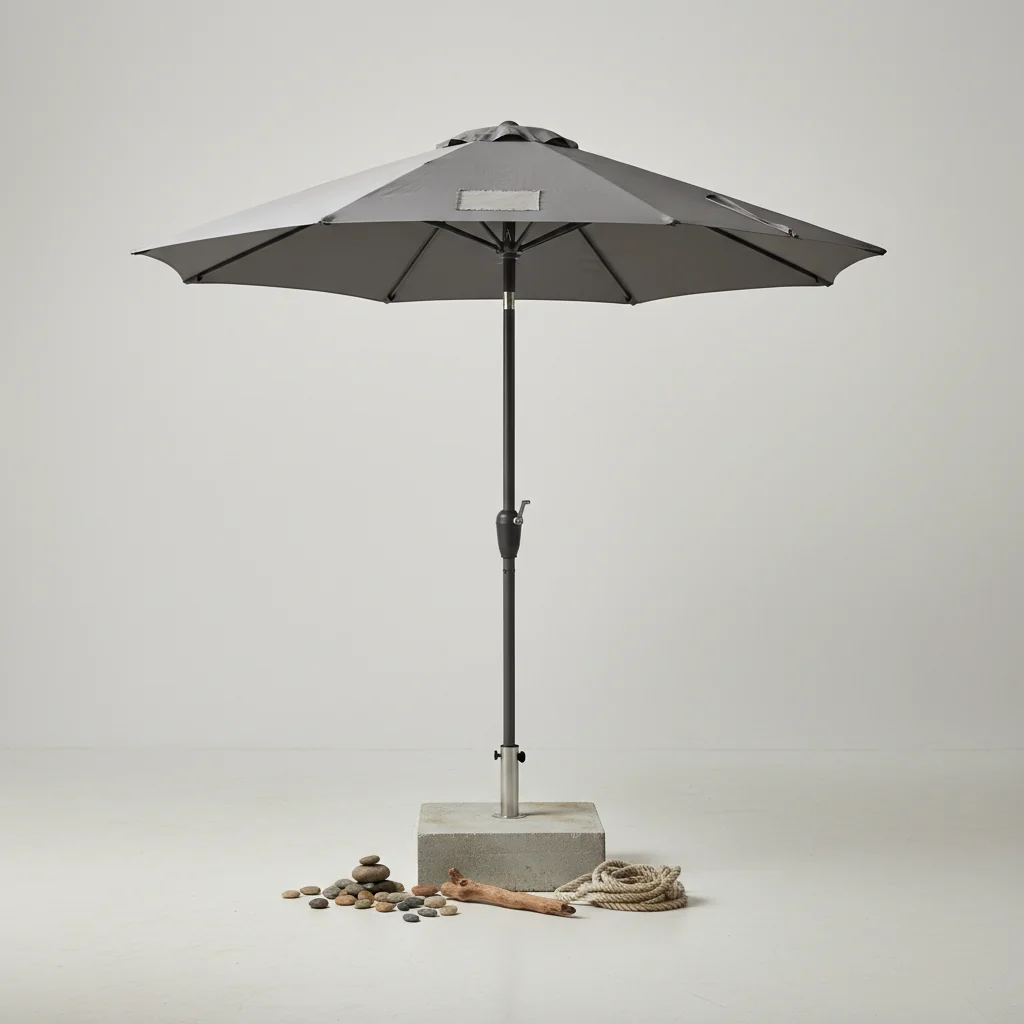
The durability of a patio umbrella is a key factor for any outdoor living space, and on average, a well-maintained patio umbrella can last anywhere from 2 to 5 years, with premium models extending to 7 years or more. Several elements influence this lifespan, including the quality of materials used in the canopy and frame, the frequency of use, and the local weather conditions it endures. Understanding these factors can help you make an informed purchase and implement practices that extend your umbrella’s life.
Factors Affecting Patio Umbrella Lifespan
The longevity of your patio umbrella is not solely dependent on its initial cost; material quality plays a significant role. Canopies made from solution-dyed acrylic, like Sunbrella, are renowned for their fade and mildew resistance, often outlasting polyester or olefin fabrics. The frame material also matters. Aluminum frames offer excellent rust resistance and are generally more durable than steel, especially in humid climates. Wood frames, while aesthetically pleasing, require more maintenance to prevent rot and insect damage.
Impact of Weather and Usage on Durability
Constant exposure to harsh weather conditions significantly reduces a patio umbrella’s lifespan. Intense UV radiation can degrade canopy fabric, leading to fading and weakening of fibers. Strong winds are a common culprit for bent ribs and damaged frames, even in models designed for wind resistance. Frequent opening and closing can also wear down crank mechanisms and cords over time. Storing your umbrella during extreme weather or when not in use can dramatically improve its durability.
Maintenance Practices for Extended Life
|
Our Picks for the Best Patio Umbrella in 2026
As an Amazon Associate I earn from qualifying purchases.
|
||
| Num | Product | Action |
|---|---|---|
| 1 | AreShark 9FT Patio Umbrella with Solar Lights, 32 LED Lighted Pool Umbrella w/Tilt and Crank, Outdoor Market Solar Umbrellas for Garden, Deck, Backyard, Pool and Beach, Light Gray |

|
| 2 | Kingdura 9ft 3-Tier Patio Umbrella, Outdoor Table Umbrella with Easy Crank & Tilt, 8 Reinforced Ribs, UV Protection for Deck, Pool, Market, Backyard (Beige) |
|
| 3 | MASTERCANOPY Patio Umbrella 9 ft Replacement Canopy for 8 Ribs-Burgundy Canopy Only |
|
| 4 | ABCCANOPY 7.5ft Scalloped Patio Umbrella, Outdoor Table Umbrella with Tilt and Crank, Fiberglass Ribs Deck Umbrella for Patio, Pool, Garden, Picnic (Turquoise) |
|
| 5 | 9FT Auto-Tilt Patio Umbrella|Outdoor Market Table Umbrella with 8 Fiberglass Ribs for Pool,Deck&Backyard |
|
| 6 | JEAREY 7.5FT Patio Umbrella Outdoor Market Umbrella with 6 Sturdy Ribs, Push Button Tilt/Crank Table Umbrella for Garden, Deck, Backyard and Pool, Royal Blue |
|
| 7 | BACKYARD EXPRESSIONS PATIO · HOME · GARDEN 911554 21 Pound Umbrella Base, Bronze |
|
| 8 | JEAREY 9 FT Patio Umbrella Outdoor, Table Umbrellas Market Umbrella w/Push Button Tilt/Crank, 8 Sturdy Ribs(Cerulean) |
|
| 9 | 9ft Patio Umbrella with Push Button Tilt and Crank,Outdoor Market Table Umbrella UV Protection 8 Sturdy Ribs for Backyard,Garden,Pool,Deck |
|
| 10 | ABCCANOPY 9ft Outdoor Umbrella Replacement Top Suit 8 Ribs (Turquoise) |
|
Regular maintenance is crucial for maximizing your patio umbrella’s lifespan. This includes routine cleaning of the canopy to prevent mold and mildew growth, especially after rain. Inspecting the frame and ribs for any signs of wear or damage allows for timely repairs before minor issues become major problems. Lubricating moving parts of the crank mechanism can ensure smooth operation and prevent premature failure.
- Clean canopy regularly with mild soap and water.
- Store umbrella in a protective cover when not in use.
- Lower or close umbrella during high winds or storms.
- Inspect frame and ribs for damage periodically.
- Lubricate crank mechanisms annually.
When to Consider a Replacement
Even with the best care, there comes a point when replacing your patio umbrella is more cost-effective than repairing it. Signs that it’s time for a new umbrella include extensive fading or tearing of the canopy, a bent or broken frame that compromises stability, or a malfunctioning crank mechanism that cannot be easily fixed. While some parts like canopies or ribs can be replaced, a severely damaged frame often necessitates a full replacement.
Choosing a Durable Patio Umbrella
When purchasing a new patio umbrella, prioritize models with robust construction and high-quality materials. Look for features like reinforced ribs, sturdy pole diameters, and fade-resistant fabrics. Consider the warranty offered by the manufacturer, as a longer warranty often indicates confidence in the product’s durability. Investing in a higher-quality umbrella upfront can save money and hassle in the long run by reducing the need for frequent replacements.
Get our weekly buyer guide
Practical specs, not advice. Unsubscribe anytime.
