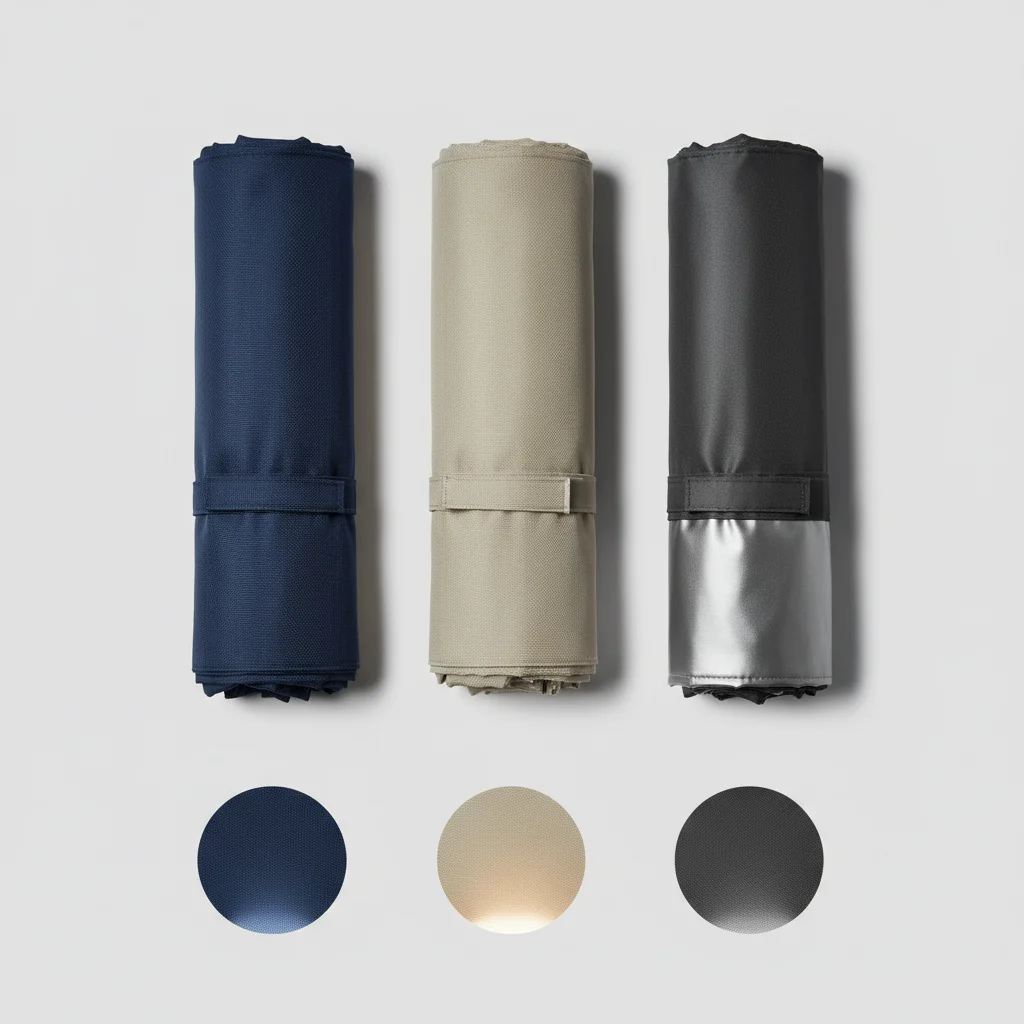
Choosing the right patio umbrella canopy material is crucial for effective UV protection. The best materials for blocking harmful UV rays are solution-dyed acrylic, followed closely by high-density polyester with a specialized UV coating. These materials offer superior sun protection, ensuring your outdoor space remains safe and comfortable.
Understanding UV Protection in Canopy Fabrics
Not all patio umbrella fabrics are created equal when it comes to UV protection. The weave, density, and chemical treatments all play a role. A fabric’s UPF (Ultraviolet Protection Factor) rating indicates how much UV radiation it blocks. For instance, a UPF 50+ fabric blocks 98% of UV rays. When selecting a canopy, look for these ratings to ensure adequate protection.
Solution-Dyed Acrylic: The Gold Standard
Solution-dyed acrylic, often recognized by brand names like Sunbrella, is widely considered the top choice for UV protection. The dyeing process infuses color into the fibers before they are woven, making the fabric inherently resistant to fading and degradation from UV exposure. This material typically boasts a UPF of 50+, providing excellent long-term sun defense. It’s also highly durable and resistant to mold and mildew.
High-Density Polyester with UV Coating
|
Our Picks for the Best Patio Umbrella in 2026
As an Amazon Associate I earn from qualifying purchases.
|
||
| Num | Product | Action |
|---|---|---|
| 1 | Kingdura 9ft 3-Tier Patio Umbrella, Outdoor Table Umbrella with Easy Crank & Tilt, 8 Reinforced Ribs, UV Protection for Deck, Pool, Market, Backyard (Beige) |

|
| 2 | AreShark 9FT Patio Umbrella with Solar Lights, 32 LED Lighted Pool Umbrella w/Tilt and Crank, Outdoor Market Solar Umbrellas for Garden, Deck, Backyard, Pool and Beach, Light Gray |
|
| 3 | MASTERCANOPY Patio Umbrella 9 ft Replacement Canopy for 8 Ribs-Burgundy Canopy Only |
|
| 4 | JEAREY 9 FT Patio Umbrella Outdoor, Table Umbrellas Market Umbrella w/Push Button Tilt/Crank, 8 Sturdy Ribs(Cerulean) |
|
| 5 | ABCCANOPY 9ft Outdoor Umbrella Replacement Top Suit 8 Ribs (Turquoise) |
|
| 6 | ABCCANOPY 7.5ft Scalloped Patio Umbrella, Outdoor Table Umbrella with Tilt and Crank, Fiberglass Ribs Deck Umbrella for Patio, Pool, Garden, Picnic (Turquoise) |
|
| 7 | 9ft Patio Umbrella with Push Button Tilt and Crank,Outdoor Market Table Umbrella UV Protection 8 Sturdy Ribs for Backyard,Garden,Pool,Deck |
|
| 8 | 9FT Auto-Tilt Patio Umbrella|Outdoor Market Table Umbrella with 8 Fiberglass Ribs for Pool,Deck&Backyard |
|
| 9 | JEAREY 7.5FT Patio Umbrella Outdoor Market Umbrella with 6 Sturdy Ribs, Push Button Tilt/Crank Table Umbrella for Garden, Deck, Backyard and Pool, Royal Blue |
|
| 10 | BACKYARD EXPRESSIONS PATIO · HOME · GARDEN 911554 21 Pound Umbrella Base, Bronze |
|
Polyester is a common and affordable material for patio umbrella canopies. However, for superior UV protection, opt for high-density polyester that has been treated with a UV-resistant coating. This coating acts as an additional barrier against harmful rays. While not as inherently fade-resistant as solution-dyed acrylic, treated polyester can still offer significant UPF ratings, often in the 30-50 range, making it a good value option for many homeowners.
Olefin and Spun Polyester: Mid-Range Options
Olefin (polypropylene) and spun polyester are other popular choices for patio umbrella canopies. Olefin is known for its good colorfastness and resistance to mildew, offering decent UV protection, usually with a UPF of 20-30. Spun polyester mimics the feel of cotton but offers better resistance to fading and UV degradation than standard polyester, especially when treated. These materials are suitable for areas with moderate sun exposure and offer a balance of performance and cost.
Factors Beyond Material: Weave and Color
Beyond the primary material, the weave and color of the canopy also influence UV protection. A tighter weave provides a more effective physical barrier against UV rays. Darker colors tend to absorb more UV radiation, preventing it from passing through to the shaded area, though they can also absorb more heat. Lighter colors reflect more light and heat, which can make the area underneath feel cooler, but might offer slightly less direct UV blockage if the weave isn’t tight enough or lacks a coating.
Key Considerations for UV Protection
- Always check for a UPF rating on the product description.
- Prioritize solution-dyed acrylic for maximum, long-lasting protection.
- Consider treated high-density polyester for a balance of cost and performance.
- A tighter weave enhances the physical barrier against UV.
- Darker colors can offer slightly better UV absorption.
Get our weekly buyer guide
Practical specs, not advice. Unsubscribe anytime.
