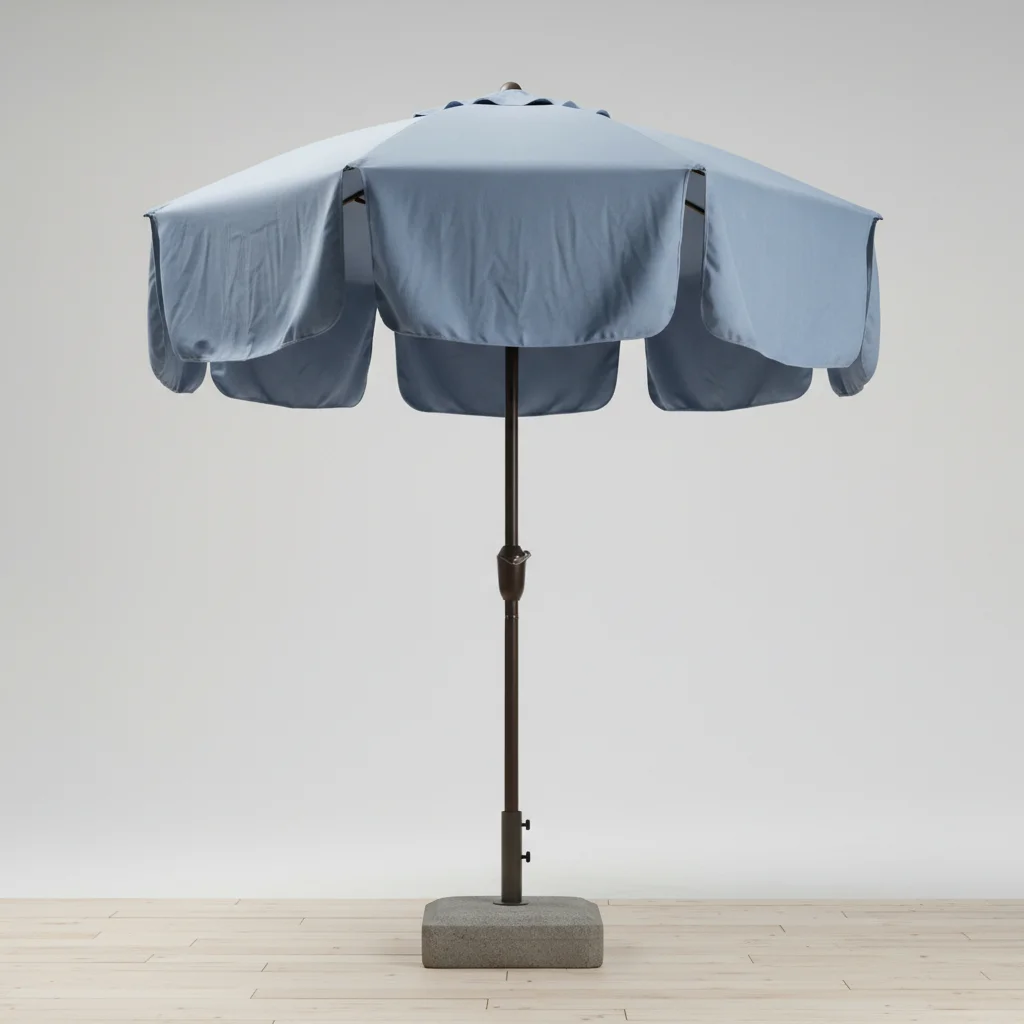
A sagging patio umbrella canopy can detract from your outdoor aesthetic and reduce its effectiveness in providing shade. There are typically five main reasons why a patio umbrella canopy might sag, ranging from fabric stretch to structural issues. Understanding these causes is the first step in restoring your umbrella’s taut, functional appearance.
Common Causes of Canopy Sagging
Several factors contribute to a patio umbrella canopy losing its taught shape. Over time, exposure to sun, rain, and wind can cause the fabric to stretch, especially if it’s a less durable material like standard polyester. Additionally, prolonged exposure to moisture can lead to mildew growth, which can weaken fabric fibers and contribute to sagging. Improper storage during off-seasons, where the canopy is left bunched or wet, can also exacerbate this issue.
Assessing Your Umbrella’s Frame and Ribs
Before addressing the canopy fabric itself, inspect the umbrella’s frame and ribs. Bent or broken ribs are a common culprit for sagging canopies. Each rib should be straight and securely attached to the hub and stretcher. Check for any loose screws or rivets that might be allowing the ribs to droop. A damaged frame will prevent the canopy from being properly tensioned, regardless of the fabric’s condition. If you find any damaged components, consider if they can be repaired or if a replacement part is necessary.
Tightening the Canopy Fabric
|
Our Picks for the Best Patio Umbrella in 2026
As an Amazon Associate I earn from qualifying purchases.
|
||
| Num | Product | Action |
|---|---|---|
| 1 | BACKYARD EXPRESSIONS PATIO · HOME · GARDEN 911554 21 Pound Umbrella Base, Bronze |

|
| 2 | JEAREY 9 FT Patio Umbrella Outdoor, Table Umbrellas Market Umbrella w/Push Button Tilt/Crank, 8 Sturdy Ribs(Cerulean) |
|
| 3 | MASTERCANOPY Patio Umbrella 9 ft Replacement Canopy for 8 Ribs-Burgundy Canopy Only |
|
| 4 | ABCCANOPY 7.5ft Scalloped Patio Umbrella, Outdoor Table Umbrella with Tilt and Crank, Fiberglass Ribs Deck Umbrella for Patio, Pool, Garden, Picnic (Turquoise) |
|
| 5 | ABCCANOPY 9ft Outdoor Umbrella Replacement Top Suit 8 Ribs (Turquoise) |
|
| 6 | AreShark 9FT Patio Umbrella with Solar Lights, 32 LED Lighted Pool Umbrella w/Tilt and Crank, Outdoor Market Solar Umbrellas for Garden, Deck, Backyard, Pool and Beach, Light Gray |
|
| 7 | 9ft Patio Umbrella with Push Button Tilt and Crank,Outdoor Market Table Umbrella UV Protection 8 Sturdy Ribs for Backyard,Garden,Pool,Deck |
|
| 8 | JEAREY 7.5FT Patio Umbrella Outdoor Market Umbrella with 6 Sturdy Ribs, Push Button Tilt/Crank Table Umbrella for Garden, Deck, Backyard and Pool, Royal Blue |
|
| 9 | 9FT Auto-Tilt Patio Umbrella|Outdoor Market Table Umbrella with 8 Fiberglass Ribs for Pool,Deck&Backyard |
|
| 10 | Kingdura 9ft 3-Tier Patio Umbrella, Outdoor Table Umbrella with Easy Crank & Tilt, 8 Reinforced Ribs, UV Protection for Deck, Pool, Market, Backyard (Beige) |
|
For canopies that have simply stretched over time, there are a few methods to try and restore tension. Some umbrellas have adjustable tensioning systems, often found near the top finial or at the end of the ribs, which allow you to pull the fabric tighter. If your umbrella doesn’t have this feature, you might consider adding small, discreet fabric clips or ties to strategic points on the canopy and attaching them to the ribs. This can help pull the fabric taut and reduce visible sagging. Ensure any modifications do not impede the umbrella’s opening and closing mechanism.
- Inspect all ribs for bends or breaks.
- Check the hub and stretcher for secure attachments.
- Look for loose screws or rivets on the frame.
- Consider adding fabric clips to pull the canopy taut.
- Ensure any adjustments do not hinder umbrella operation.
Cleaning and Conditioning the Canopy
A thorough cleaning can sometimes help restore some of the fabric’s original properties, especially if mildew or dirt is contributing to the sag. Use a mild soap solution and a soft brush to gently clean the canopy, then rinse thoroughly. For fabrics like solution-dyed acrylic, specific fabric conditioners designed for outdoor textiles can help maintain their integrity and prevent further stretching. Always allow the canopy to dry completely in an open position to prevent mildew and further sagging.
Considering a Canopy Replacement
If the fabric is significantly stretched, torn, or otherwise damaged beyond repair, a canopy replacement might be the most effective solution. Many manufacturers offer replacement canopies for their umbrella models, which can be a more cost-effective option than purchasing an entirely new umbrella. When choosing a replacement, opt for a high-quality, durable fabric like solution-dyed acrylic or a heavy-duty polyester with a high UV resistance. These materials are less prone to stretching and fading, offering a longer-lasting solution to canopy sagging.
Get our weekly buyer guide
Practical specs, not advice. Unsubscribe anytime.
