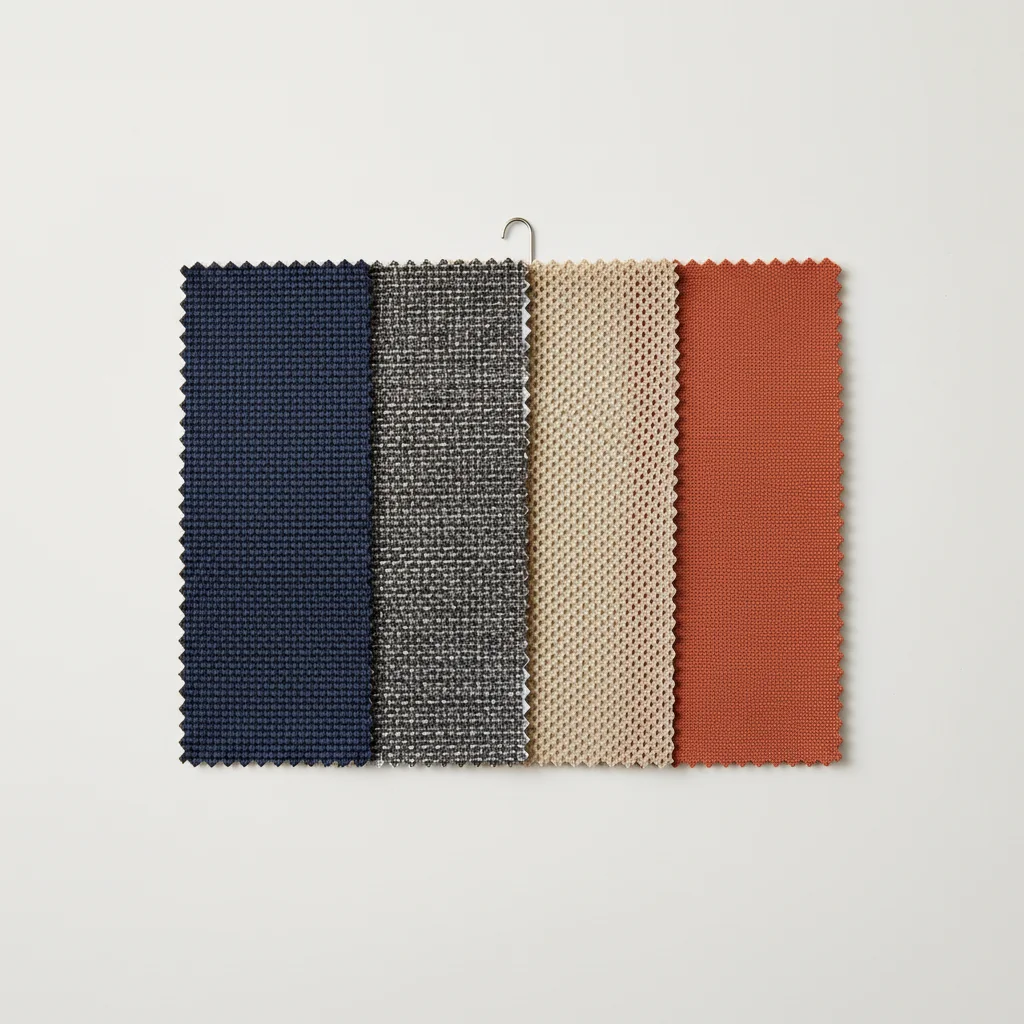
When selecting patio umbrella fabrics, the weave type significantly impacts UV protection. Generally, tighter weaves like solution-dyed acrylic or spun polyester offer superior UV resistance compared to looser weaves. These materials are engineered to block a higher percentage of harmful UV rays, ensuring better protection for you and your outdoor furnishings.
Understanding Fabric Weave and UV Protection
The weave of a fabric refers to how the individual threads are interlaced. A denser, tighter weave creates a more substantial barrier against sunlight, reducing the amount of UV radiation that can penetrate through. Fabrics with a looser weave, while potentially more breathable, allow more UV light to pass, offering less protection. This is why materials like canvas or sailcloth, when specifically treated for UV resistance, often feature a very tight construction.
Solution-Dyed Acrylic: The Gold Standard
Solution-dyed acrylic, often exemplified by brands like Sunbrella, is renowned for its exceptional UV protection. The fibers are dyed before weaving, which locks in color and UV inhibitors throughout the material. Its tightly woven structure further enhances its ability to block UV rays, making it a top choice for long-lasting outdoor shade. This type of fabric also resists fading and degradation from sun exposure, maintaining its protective qualities over many seasons.
Spun Polyester: A Durable Alternative
Spun polyester fabrics offer a good balance of durability, affordability, and UV protection. While not always as tightly woven as premium acrylics, quality spun polyester is often treated with UV-resistant coatings and dyes. Its weave is typically dense enough to provide substantial shade and block a significant amount of UV radiation. When choosing spun polyester, look for specifications indicating UV resistance or UPF (Ultraviolet Protection Factor) ratings.
Olefin and Other Synthetics
|
Our Picks for the Best Patio Umbrella in 2026
As an Amazon Associate I earn from qualifying purchases.
|
||
| Num | Product | Action |
|---|---|---|
| 1 | BACKYARD EXPRESSIONS PATIO · HOME · GARDEN 911554 21 Pound Umbrella Base, Bronze |

|
| 2 | MASTERCANOPY Patio Umbrella 9 ft Replacement Canopy for 8 Ribs-Burgundy Canopy Only |
|
| 3 | ABCCANOPY 7.5ft Scalloped Patio Umbrella, Outdoor Table Umbrella with Tilt and Crank, Fiberglass Ribs Deck Umbrella for Patio, Pool, Garden, Picnic (Turquoise) |
|
| 4 | JEAREY 7.5FT Patio Umbrella Outdoor Market Umbrella with 6 Sturdy Ribs, Push Button Tilt/Crank Table Umbrella for Garden, Deck, Backyard and Pool, Royal Blue |
|
| 5 | 9FT Auto-Tilt Patio Umbrella|Outdoor Market Table Umbrella with 8 Fiberglass Ribs for Pool,Deck&Backyard |
|
| 6 | 9ft Patio Umbrella with Push Button Tilt and Crank,Outdoor Market Table Umbrella UV Protection 8 Sturdy Ribs for Backyard,Garden,Pool,Deck |
|
| 7 | AreShark 9FT Patio Umbrella with Solar Lights, 32 LED Lighted Pool Umbrella w/Tilt and Crank, Outdoor Market Solar Umbrellas for Garden, Deck, Backyard, Pool and Beach, Light Gray |
|
| 8 | JEAREY 9 FT Patio Umbrella Outdoor, Table Umbrellas Market Umbrella w/Push Button Tilt/Crank, 8 Sturdy Ribs(Cerulean) |
|
| 9 | ABCCANOPY 9ft Outdoor Umbrella Replacement Top Suit 8 Ribs (Turquoise) |
|
| 10 | Kingdura 9ft 3-Tier Patio Umbrella, Outdoor Table Umbrella with Easy Crank & Tilt, 8 Reinforced Ribs, UV Protection for Deck, Pool, Market, Backyard (Beige) |
|
Olefin, also known as polypropylene, is another synthetic fabric commonly used for patio umbrellas. It naturally resists moisture and mildew, and when woven tightly, it can offer decent UV protection. However, its UV resistance can vary more widely than acrylic or high-quality polyester. Other synthetic blends may also be used, and their UV performance will depend heavily on the specific weave density and any added treatments. Always check product descriptions for UV ratings or protective features.
The Role of Fabric Weight and Thickness
Beyond the weave, the overall weight and thickness of the fabric also contribute to its UV blocking capabilities. Thicker, heavier fabrics generally provide better protection because there’s more material to absorb or reflect UV radiation. However, a thin fabric with a very tight weave and effective UV treatments can still outperform a thicker fabric with a loose weave. It’s a combination of factors that determines the ultimate level of protection.
- Tightly woven fabrics offer superior UV blocking.
- Solution-dyed acrylic provides excellent, long-lasting UV resistance.
- Spun polyester is a durable option with good UV protection when treated.
- Fabric weight and thickness contribute to overall UV blocking.
- Always check for specific UV ratings or UPF values.
Maintaining UV Protection Over Time
Even the best patio umbrella fabrics can see their UV protection diminish over time due to prolonged exposure to the elements. Regular cleaning and proper storage can help extend the life of your umbrella and its protective qualities. Avoid harsh chemicals that could degrade the fabric or its coatings. Consider using an umbrella cover when not in use to shield it from continuous sun exposure.
Get our weekly buyer guide
Practical specs, not advice. Unsubscribe anytime.

I got a canvas umbrella, thinking it would be good, but I wish I’d paid more attention to the part about needing it to be specifically treated for UV resistance. Mine is okay, but I can definitely feel more heat coming through than I’d like. Next time, I’ll definitely look for a tighter weave or a clearly labeled UV-treated fabric.
I’m so glad I read up on fabric weaves before buying my new umbrella. I went with a solution-dyed acrylic after learning about its superior UV resistance, and it’s made a huge difference. My patio furniture used to fade so fast, but this umbrella really keeps the sun out. It feels super durable too, like it will last for years.
This information about tighter weaves was really helpful. I ended up getting a spun polyester umbrella for my deck, and it’s been great for blocking the sun during peak hours. I appreciate knowing that it’s doing a good job protecting us from UV rays. It’s a solid choice for everyday use and seems to hold up well.
Understanding how the weave impacts UV protection was a game-changer for me. I used to just pick umbrellas based on color, but now I know to look for those denser constructions. My new umbrella has a really tight weave and it’s amazing how much cooler it keeps our outdoor dining area. No more squinting during lunch!