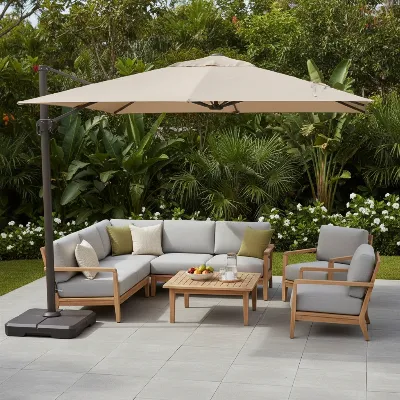
An outdoor patio umbrella is a wonderful addition to any backyard oasis, offering much-needed shade on sunny days and elevating the aesthetic of your outdoor living space. However, a beautiful umbrella is only as good as its base’s stability. A flimsy or inadequately weighted base can turn a gentle breeze into a destructive force, sending your umbrella tumbling across the yard and potentially causing damage or injury. Ensuring your patio umbrella base is securely weighted is paramount for both safety and enjoyment. This guide will explore various do-it-yourself (DIY) methods to effectively weigh down your patio umbrella base, transforming it into a steadfast guardian against the elements.
Understanding Patio Umbrellas and Their Stability Needs
A patio umbrella, or sunshade, is an essential outdoor accessory designed to provide shade and protection from the sun’s harsh UV rays. These umbrellas have evolved from simple designs to sophisticated, large-canopy models, including market umbrellas (center-pole) and cantilever umbrellas (offset pole). While all types offer shade, their structural differences significantly impact their stability requirements.
The history of sunshades dates back to ancient civilizations, where early versions offered protection from the sun. Modern patio umbrellas combine functionality with design, featuring various materials for canopies and frames. Popular canopy fabrics include polyester, acrylic, and olefin, known for their weather resistance and UV protection. Frames are typically made from durable materials like wood, aluminum, or steel, each offering different aesthetics and levels of strength. However, regardless of the quality of the umbrella itself, its stability ultimately relies on a properly weighted base.
Why a Secure Patio Umbrella Base is Essential
A stable patio umbrella offers more than just shade; it enhances your entire outdoor experience. Without proper weighting, an umbrella becomes a sail in the wind, prone to tipping over, potentially damaging furniture, or causing injury.
The primary reasons to secure your umbrella base are:
- Protection from Sun and UV Rays: A stable umbrella ensures consistent shade, protecting you and your outdoor furniture from harmful ultraviolet radiation.
- Comfortable Outdoor Space: It creates a cooler, more inviting area for relaxation, dining, or entertaining guests, making your patio more enjoyable during peak sun hours.
- Enhanced Outdoor Aesthetics: A well-placed and stable umbrella contributes to the overall beauty and design of your exterior, tying together your outdoor decor.
- Extended Living and Entertainment Areas: By providing reliable shade, you can utilize your patio or deck for longer periods throughout the day and year, effectively extending your home’s usable living space.
Properly securing your umbrella base is a critical step in maximizing its benefits and safeguarding your outdoor environment.
Key Factors When Choosing a Patio Umbrella Base Weight Solution
Selecting the right method to weigh down your patio umbrella base involves considering several factors to ensure optimal stability and aesthetics. The size of your umbrella, the materials you use, and the specific design all play a crucial role in its overall security.
Size and Shape Considerations
|
Our Picks for the Best Patio Umbrella in 2026
As an Amazon Associate I earn from qualifying purchases.
|
||
| Num | Product | Action |
|---|---|---|
| 1 | AreShark 9FT Patio Umbrella with Solar Lights, 32 LED Lighted Pool Umbrella w/Tilt and Crank, Outdoor Market Solar Umbrellas for Garden, Deck, Backyard, Pool and Beach, Light Gray |

|
| 2 | JEAREY 7.5FT Patio Umbrella Outdoor Market Umbrella with 6 Sturdy Ribs, Push Button Tilt/Crank Table Umbrella for Garden, Deck, Backyard and Pool, Royal Blue |
|
| 3 | 9FT Auto-Tilt Patio Umbrella|Outdoor Market Table Umbrella with 8 Fiberglass Ribs for Pool,Deck&Backyard |
|
| 4 | BACKYARD EXPRESSIONS PATIO · HOME · GARDEN 911554 21 Pound Umbrella Base, Bronze |
|
| 5 | ABCCANOPY 7.5ft Scalloped Patio Umbrella, Outdoor Table Umbrella with Tilt and Crank, Fiberglass Ribs Deck Umbrella for Patio, Pool, Garden, Picnic (Turquoise) |
|
| 6 | MASTERCANOPY Patio Umbrella 9 ft Replacement Canopy for 8 Ribs-Burgundy Canopy Only |
|
| 7 | ABCCANOPY 9ft Outdoor Umbrella Replacement Top Suit 8 Ribs (Turquoise) |
|
| 8 | 9ft Patio Umbrella with Push Button Tilt and Crank,Outdoor Market Table Umbrella UV Protection 8 Sturdy Ribs for Backyard,Garden,Pool,Deck |
|
| 9 | JEAREY 9 FT Patio Umbrella Outdoor, Table Umbrellas Market Umbrella w/Push Button Tilt/Crank, 8 Sturdy Ribs(Cerulean) |
|
| 10 | Kingdura 9ft 3-Tier Patio Umbrella, Outdoor Table Umbrella with Easy Crank & Tilt, 8 Reinforced Ribs, UV Protection for Deck, Pool, Market, Backyard (Beige) |
|
The size of your umbrella canopy is the most critical factor in determining the required base weight. A general guideline is to have at least 10 pounds of weight for every foot of the umbrella’s canopy diameter. For instance, a 9-foot umbrella typically needs a minimum of 90 pounds, while an 11-foot umbrella should have 110 pounds or more. If you live in a particularly windy area, or if the umbrella is freestanding (not through a table), add an extra 10-20 pounds for safety.
Cantilever (offset) umbrellas, with their overhanging design, require significantly more weight due to increased leverage. A 10-foot cantilever umbrella may need 150 to 175 pounds, and an 11-foot model could require 220 pounds or more to remain stable.
Patio umbrellas come in various shapes—round, square, and rectangular. While the shape primarily affects coverage, it’s the total canopy size that dictates the necessary base weight. Ensure your chosen DIY solution provides sufficient coverage and stability for your specific umbrella’s dimensions.
Material Choices
The materials used for both the umbrella base and any added weights contribute to its stability and longevity.
- Canopy Fabric: While not part of the base, the canopy material (polyester, acrylic, olefin) affects wind resistance. Some designs even feature wind vents to reduce uplift pressure.
- Frame Materials: Umbrella frames are commonly made from wood, aluminum, or steel. Aluminum and steel frames offer superior durability and rust resistance compared to wood, especially important in high-wind conditions.
- Weighting Materials: For DIY projects, popular choices include sand, gravel, concrete, and even water (with precautions). Sand and concrete offer significant density, while water is readily available but can freeze and crack plastic bases in colder climates.
Consider the environmental factors of your location when choosing materials. UV-resistant components and rust-proof hardware will ensure your DIY solution stands the test of time.
Style and Design Preferences
Beyond functionality, the aesthetic integration of your umbrella base into your outdoor decor is important. DIY solutions offer a chance to customize the look.
- Center-Pole Umbrellas: These fit through a hole in a patio table or directly into a freestanding base.
- Cantilever Umbrellas: Their side-mounted pole allows for unobstructed space beneath the canopy but requires a much heavier and often larger base to prevent tipping.
- Wall-Mounted Umbrellas: These attach directly to a wall, saving floor space and offering a clean look, but require secure anchoring points.
Your DIY solution can complement your existing patio furniture and landscaping. For example, a planter-style base can be both functional and decorative.
Additional Features to Consider
Some features can enhance the stability and usability of your patio umbrella.
- Fillable Bases: Many commercial bases can be filled with sand or water. If designing a DIY version, consider a hollow core that can be filled.
- Anchoring: For ultimate stability, especially in windy areas, you might consider bolting your base directly to a deck or concrete patio, or using in-ground mounts.
- Portability: If you need to move your umbrella frequently, a base with hidden wheels or a modular design that allows for easier transport of weights could be beneficial.
Prioritizing safety and adequate weight distribution is key to preventing your patio umbrella from becoming a hazard.
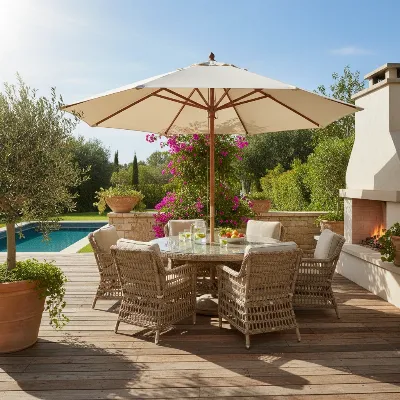 A large patio umbrella casting shade over a seating area, illustrating the importance of a heavy base for stability.
Comparing Popular DIY Patio Umbrella Weighting Methods
Many DIY methods can help you achieve the necessary stability for your patio umbrella. Each approach has its own advantages and considerations regarding cost, effort, and appearance.
The Cinder Block Method
Cinder blocks are a readily available and inexpensive option for adding substantial weight. You can stack them around the umbrella pole, often in an “L” or “T” shape, to create a heavy, stable perimeter.
- Pros: Very economical, easily accessible, offers significant weight, customizable arrangement.
- Cons: Can be unsightly unless disguised, may require zip ties or cement to bind them together for maximum security, can take up considerable space.
- How-to: Arrange cinder blocks around your existing base or directly around the umbrella pole. For added security and a cleaner look, you can use strong zip ties or construction adhesive to secure the blocks to each other. Consider painting the blocks to match your patio decor.
Sandbag or Weight Bag Solutions
Sandbags are a classic, flexible solution for adding weight to an umbrella base. Purpose-made weight bags, often made of durable fabric, are also available and designed to wrap around the umbrella pole.
- Pros: Flexible and adaptable to various base shapes, relatively inexpensive (especially if filling your own sandbags), easy to add or remove weight, good for temporary solutions.
- Cons: Can deteriorate over time if exposed to elements, sand can escape if bags are not sealed properly, may not be as aesthetically pleasing.
- How-to: Fill heavy-duty fabric bags (or purchase pre-made weight bags) with dry sand. Position them evenly around the umbrella base or on the cross-shaped base of a cantilever umbrella. For sandbags without ties, use thin rope or nylon straps to secure them to the base and each other to prevent shifting.
Concrete Planter Bases
For a more integrated and decorative solution, a concrete planter base combines stability with style. This method creates a permanent, heavy base that can also house plants.
- Pros: Highly stable and permanent, aesthetically pleasing when integrated with plants, customizable design.
- Cons: Requires more DIY effort, less portable once set, can be heavy to move even empty, takes up more space than a simple base.
- How-to: You’ll need a large planter, a 5-gallon bucket, a section of PVC pipe (slightly wider than your umbrella pole), and quick-setting concrete mix.
- Place the PVC pipe vertically in the center of the 5-gallon bucket. Secure the bottom of the pipe with duct tape to prevent concrete from entering.
- Mix the concrete according to package directions and pour it into the bucket around the PVC pipe, ensuring the pipe remains centered and plumb. Let it cure overnight.
- Once dry, place the concrete-filled bucket inside the larger decorative planter. Fill the planter with potting soil and your favorite plants, concealing the concrete and PVC pipe.
Water-Filled Bases (with considerations)
Some commercial bases are designed to be filled with water, offering a convenient way to add weight. While DIY versions could involve large containers, there are significant drawbacks.
- Pros: Water is free and easily accessible, allows for adjustable weight.
- Cons: Less dense than sand (requires more volume for the same weight), can evaporate, freezes in cold climates and can crack plastic containers, can leak.
- How-to: If you choose this method, use a very sturdy, thick-walled container that can hold a substantial amount of water. Ensure it is completely sealed and placed in a location where freezing is not an issue, or be prepared to empty it before winter. Given the risks, sand or concrete are generally preferred for permanent DIY solutions.
Table: Comparing DIY Weighing Methods
| Feature | Cinder Block Method | Sandbag/Weight Bag Method | Concrete Planter Base |
|---|---|---|---|
| Cost | Low | Low to Moderate | Moderate |
| Effort | Low | Low | High |
| Weight | High (adjustable) | High (adjustable) | Very High (fixed) |
| Aesthetics | Low (unless disguised) | Moderate (can be bulky) | High (decorative) |
| Portability | Moderate (blocks are heavy) | High (can be emptied) | Low (very heavy) |
| Durability | High | Moderate (material wear) | Very High |
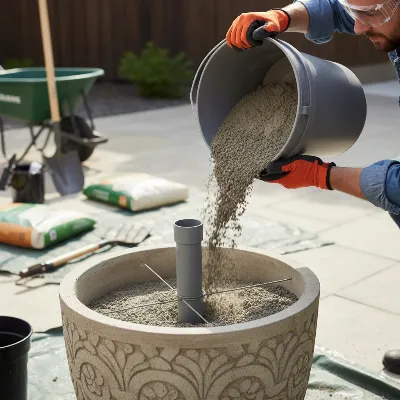 A person assembling a DIY umbrella base using a planter and concrete, with safety gear.
Step-by-Step Guide to Creating a DIY Umbrella Base
Creating a DIY umbrella base provides a sturdy and personalized solution for your outdoor space. Here’s a general guide, adaptable to various materials.
Step 1: Assess Your Needs and Gather Materials
Before starting, consider your umbrella’s size, local wind conditions, and your desired aesthetic. This will help you determine the necessary weight and the best DIY method.
- Umbrella Size: Measure the canopy diameter to calculate the required base weight (e.g., 10 lbs per foot for standard umbrellas). Add extra weight for windy areas or cantilever umbrellas.
- Budget: Determine how much you’re willing to spend on materials.
- Materials:
- For Cinder Block Method: Cinder blocks, heavy-duty zip ties or construction adhesive, optional paint.
- For Sandbag Method: Durable fabric bags (or old pillowcases), dry sand, strong rope or nylon straps.
- For Concrete Planter Base: Large decorative planter, 5-gallon bucket, PVC pipe (diameter matching umbrella pole), quick-setting concrete mix, duct tape, potting soil, plants.
- Tools: Shovel, mixing bucket (for concrete), level, safety goggles, gloves, dust mask.
Step 2: Prepare Your Chosen DIY Base
- Cinder Blocks: Find a flat, level spot. Arrange the cinder blocks around where your umbrella pole will stand. Ensure they are evenly distributed to provide stable support.
- Sandbags: If using loose sand, fill your fabric bags, leaving enough room to tie them off securely. Ensure no sand can easily escape.
- Concrete Planter:
- Cut your PVC pipe to a length that allows it to extend slightly above the concrete level in the 5-gallon bucket, and deep enough to securely hold the umbrella pole.
- Tape the bottom of the PVC pipe to prevent concrete from seeping in.
- Place the PVC pipe centrally inside the 5-gallon bucket.
- Mix the quick-setting concrete according to the manufacturer’s instructions.
- Carefully pour the concrete into the bucket around the PVC pipe. Use a level to ensure the pipe remains perfectly vertical as the concrete sets. Allow it to cure fully (usually 24-48 hours).
Step 3: Assembly and Installation
Once your components are ready, it’s time to assemble and position your weighted base.
- Cinder Blocks:
- Place your existing umbrella stand or the umbrella pole directly among the arranged cinder blocks.
- Use zip ties or construction adhesive to secure the blocks to each other, creating a cohesive and sturdy mass around the pole.
- Test for stability by gently shaking the setup before inserting the umbrella.
- Sandbags:
- Place your umbrella base in its desired location.
- Arrange the filled sandbags evenly around the base, ensuring they don’t interfere with the umbrella pole or crank mechanism.
- Use rope or straps to secure the sandbags to the base and to each other for extra stability, particularly if facing windy conditions.
- Concrete Planter:
- Once the concrete in the 5-gallon bucket is fully cured, place this heavy unit inside your large decorative planter.
- Add filler material to the bottom of the planter if needed, then fill with potting soil.
- Plant your desired flowers or greenery around the PVC pipe, ensuring the pipe remains clear for the umbrella pole.
Step 4: Final Adjustments and Safety Check
Insert your patio umbrella pole into the secured base. If your base has a tightening knob, secure the pole firmly. Give the umbrella a gentle shake to test its stability. If there’s any wobbling, consider adding more weight or reinforcing your DIY structure. Always remember to close your umbrella when not in use or during strong winds to prevent damage or accidents.
Top Tips for Maintaining Your DIY Umbrella Base
Once you’ve successfully created and installed your DIY umbrella base, proper maintenance will ensure its longevity and continued stability.
- Regular Cleaning: Periodically clean your base, especially if it’s a planter-style design. Remove dirt, leaves, and debris to prevent accumulation and keep it looking fresh. For concrete or cinder block bases, a simple hose-down can remove grime.
- Inspect for Wear and Tear: Check your DIY base regularly for any signs of damage. For sandbags, look for tears or leaks. For concrete or cinder block setups, inspect for cracks or shifting. Address any issues promptly to maintain structural integrity.
- Winter Storage (if applicable): If you live in a region with freezing temperatures, consider the impact on water-filled or concrete bases. Water can freeze and expand, potentially cracking containers. While concrete is durable, moving planter bases indoors or covering them during harsh winter months can extend their life. Sandbags can often be brought inside easily.
- Secure During High Winds: Even with a heavy base, always close and secure your patio umbrella during strong winds or storms. If possible, remove the umbrella from its base and store it indoors for maximum safety.
By following these maintenance tips, your DIY patio umbrella base will provide reliable shade and stability for many seasons to come.
Conclusion
Securing your patio umbrella is not just about convenience; it’s about safety and extending the enjoyment of your outdoor space. By embracing a DIY approach, you can create a robust and personalized weighted base that stands firm against the elements. Whether you opt for the simplicity of sandbags, the sturdiness of cinder blocks, or the integrated design of a concrete planter, the key is to ensure sufficient weight for your umbrella’s size and the wind conditions in your area. Remember the golden rule: at least 10 pounds per foot of umbrella diameter, with more for larger or cantilever models.
A stable umbrella means more relaxed afternoons and worry-free gatherings on your patio. What DIY method will you choose to safeguard your outdoor oasis?
Frequently Asked Questions
How much weight do I really need for my patio umbrella base?
The amount of weight needed for your patio umbrella base depends on the umbrella’s size and type. A good rule of thumb is 10 pounds of base weight per foot of umbrella canopy diameter for standard center-pole umbrellas. Cantilever (offset) umbrellas require significantly more, often 150-220+ pounds for 10-11 foot canopies, due to their design. Always add extra weight in windy locations.
Can I use water instead of sand to weigh down my umbrella base?
While water can add weight, it is generally not recommended for long-term or DIY solutions, especially in climates with freezing temperatures. Water is less dense than sand, meaning you need a larger volume for the same weight, and it can freeze, expanding and potentially cracking plastic bases. Sand or concrete offer more stable and durable weighting solutions.
Are cinder blocks safe to use as an umbrella base weight?
Yes, cinder blocks can be a safe and effective DIY method for weighing down a patio umbrella base. They are heavy and inexpensive. To ensure safety and stability, arrange them evenly around the umbrella pole and consider using heavy-duty zip ties or construction adhesive to bind them together. This prevents them from shifting or becoming a tripping hazard.
How can I make my DIY umbrella base look more aesthetically pleasing?
For a more attractive DIY base, consider a concrete planter design, where the weights are hidden within a decorative planter filled with plants. If using cinder blocks or sandbags, you can paint them to match your outdoor decor, or strategically place outdoor rugs, low-profile planters, or furniture around the base to disguise them.
What are the dangers of an improperly weighted patio umbrella?
An improperly weighted Patio Umbrella can be extremely dangerous. In windy conditions, it can easily tip over, potentially causing severe injury to people or pets, damaging patio furniture, or breaking windows. An unstable umbrella also risks damage to itself, leading to costly repairs or replacements. Prioritizing proper weighting is crucial for safety and protecting your outdoor investment.