As the vibrant days of summer fade and the chill of winter approaches, your beloved patio umbrella, a steadfast guardian against the sun’s rays, faces its toughest season. Leaving it exposed to harsh winter elements like snow, ice, strong winds, and freezing temperatures can drastically shorten its lifespan, leading to costly replacements and a dull return in spring. Properly preparing and storing your patio umbrella is not just a chore; it’s an investment in its longevity and continued beauty. With a few careful steps, you can ensure your umbrella remains in pristine condition, ready to unfurl and provide shade for many seasons to come, starting with Spring 2026.
Why Proper Winter Storage is Crucial for Your Patio Umbrella
Protecting your patio umbrella through the winter is more than just putting it away; it’s about safeguarding its structural integrity and aesthetic appeal. Neglecting proper winterization exposes your umbrella to a host of detrimental factors. Moisture, when trapped, becomes a breeding ground for unsightly mold and mildew on the fabric, creating unpleasant odors and weakening the material. Freezing temperatures can cause water to expand in the frame’s crevices, leading to cracks, warping, or rust, especially in metal components. Moreover, constant exposure to winter winds can fray fabric, bend ribs, or loosen joints. By dedicating a little time to proper storage, you prevent these common forms of damage, extend the life of your patio umbrella, and ensure it’s fresh, functional, and ready to welcome the warmth of spring.
Essential Steps for Preparing Your Patio Umbrella for Winter
Preparing your patio umbrella for its winter slumber involves a methodical approach, focusing on cleanliness, integrity, and protection. Each step plays a vital role in preventing damage and preserving its condition until next season.
Thorough Cleaning and Drying
|
Our Picks for the Best Patio Umbrella in 2026
As an Amazon Associate I earn from qualifying purchases.
|
||
| Num | Product | Action |
|---|---|---|
| 1 | 9FT Auto-Tilt Patio Umbrella|Outdoor Market Table Umbrella with 8 Fiberglass Ribs for Pool,Deck&Backyard |

|
| 2 | JEAREY 7.5FT Patio Umbrella Outdoor Market Umbrella with 6 Sturdy Ribs, Push Button Tilt/Crank Table Umbrella for Garden, Deck, Backyard and Pool, Royal Blue |
|
| 3 | ABCCANOPY 9ft Outdoor Umbrella Replacement Top Suit 8 Ribs (Turquoise) |
|
| 4 | 9ft Patio Umbrella with Push Button Tilt and Crank,Outdoor Market Table Umbrella UV Protection 8 Sturdy Ribs for Backyard,Garden,Pool,Deck |
|
| 5 | MASTERCANOPY Patio Umbrella 9 ft Replacement Canopy for 8 Ribs-Burgundy Canopy Only |
|
| 6 | JEAREY 9 FT Patio Umbrella Outdoor, Table Umbrellas Market Umbrella w/Push Button Tilt/Crank, 8 Sturdy Ribs(Cerulean) |
|
| 7 | ABCCANOPY 7.5ft Scalloped Patio Umbrella, Outdoor Table Umbrella with Tilt and Crank, Fiberglass Ribs Deck Umbrella for Patio, Pool, Garden, Picnic (Turquoise) |
|
| 8 | BACKYARD EXPRESSIONS PATIO · HOME · GARDEN 911554 21 Pound Umbrella Base, Bronze |
|
| 9 | AreShark 9FT Patio Umbrella with Solar Lights, 32 LED Lighted Pool Umbrella w/Tilt and Crank, Outdoor Market Solar Umbrellas for Garden, Deck, Backyard, Pool and Beach, Light Gray |
|
| 10 | Kingdura 9ft 3-Tier Patio Umbrella, Outdoor Table Umbrella with Easy Crank & Tilt, 8 Reinforced Ribs, UV Protection for Deck, Pool, Market, Backyard (Beige) |
|
The most critical step before storage is a meticulous cleaning and complete drying of every component. Any dirt, sap, bird droppings, or pollen left on the fabric can become a permanent stain or encourage mold and mildew growth over months of storage.
First, take the canopy off the stand if possible, or fully open the umbrella. Use a soft-bristle brush to gently sweep off any loose debris like leaves, twigs, or cobwebs. Prepare a solution of mild soap (like dish soap) and lukewarm water. Avoid harsh detergents or bleach, which can damage the fabric’s color and integrity. Dip your soft brush or cloth into the soapy water and gently scrub the entire canopy in sections. For stubborn spots, allow the soap to sit for 10-15 minutes, but do not let it dry. Rinse the fabric thoroughly with a garden hose until all soap residue is gone, as leftover soap can attract dirt and degrade the material.
Once the canopy is clean, leave the umbrella fully open in a warm, sunny, and slightly breezy spot to air dry completely. This is paramount; even a slight dampness can lead to mold and a musty odor. If weather conditions are unfavorable, a hairdryer on a low, cool setting, kept at a safe distance, can help expedite the drying process. Don’t forget the frame and pole; wipe them down with a damp cloth to remove any grime, then ensure they are completely dry, especially if your umbrella has wooden or bamboo components, which can warp or stain from moisture.
Finally, turn your umbrella base on its side or upside down to thoroughly clean and dry it. If it’s a water-filled base, drain it completely. Scrub off any dirt or mildew with soap and water, then let it air dry.
Inspect for Damage and Make Minor Repairs
After your patio umbrella is sparkling clean and completely dry, take the opportunity to give it a thorough inspection. This is the ideal time to identify and address any minor wear and tear that could escalate into bigger problems during storage. Check the canopy fabric for any small tears, frayed edges, or loose stitching. Minor holes can often be patched with a fabric repair kit suitable for outdoor materials. Examine the umbrella ribs and frame for any bends, cracks, or loose screws. Tighten any fasteners that have come undone, and if you notice any rust spots on metal parts, clean them with a wire brush and apply a rust-inhibiting primer to prevent further corrosion. Addressing these small issues now can save you from more extensive repairs or replacements next spring.
Proper Folding and Securing
Once cleaned, dried, and repaired, the next step is to correctly close and secure your patio umbrella. This prevents the fabric from becoming wrinkled or damaged, and keeps the frame stable.
Gently close the umbrella, ensuring all panels fold neatly. Many patio umbrellas come with an attached tie or strap; use this to secure the canopy tightly but not excessively, to prevent stress on the fabric or ribs. If your umbrella doesn’t have one, a soft strap or Velcro tie works well. Avoid using tight ropes or cords that could imprint marks or damage the material over time. Some experts suggest carefully pulling each fabric panel over the next as you close the umbrella to minimize wrinkles. For umbrellas with a separate bottom pole, avoid storing it by sticking it into the center of the closed umbrella, as this can scratch the ribs. Instead, place it carefully alongside the folded canopy or wrap it within the panels. Consider covering any exposed pole edges with a plastic bag or cardboard to protect the material and prevent injury.
Choosing and Using a Protective Cover
A high-quality protective cover is an indispensable accessory for winter storage, acting as the final shield against dust, pests, and ambient moisture. When selecting a cover for your patio umbrella, prioritize durability, water resistance, and breathability. A breathable material is crucial because it allows any residual moisture to evaporate, preventing the dreaded buildup of dampness that leads to mold and mildew, unlike non-breathable plastic tarps which can trap humidity.
Ensure the cover fits snugly over your closed and secured umbrella, leaving no gaps where dust, insects, or moisture can infiltrate. Many umbrellas are sold with custom-fitted covers, which are often the best choice for a perfect fit. If a dedicated cover isn’t available, you can use heavy-duty plastic sheeting or a tarp, but be mindful of ventilation. Secure any improvised cover tightly with tape to prevent it from shifting or coming loose. For an added layer of protection, especially for wooden or metal poles, consider wrapping them in newspaper before applying the cover.
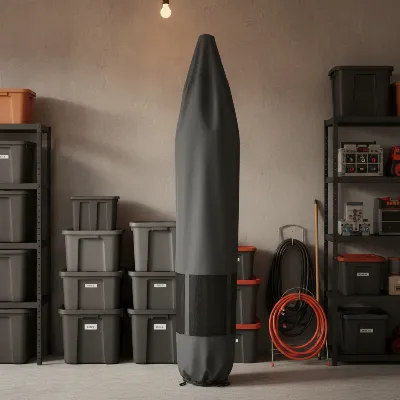 A perfectly covered patio umbrella standing upright, ready for winter storage in a clean garage.
Selecting the Ideal Winter Storage Location
The choice of storage location is as vital as the preparation itself. The right environment will significantly contribute to the preservation of your patio umbrella.
Indoor vs. Outdoor Storage Considerations
For optimal protection, an indoor storage location is always recommended. Ideal spots include a garage, shed, attic, or basement. The key qualities to look for in any chosen space are:
- Dryness: Low humidity is essential to prevent mold, mildew, and rust. Avoid areas prone to dampness.
- Temperature-Stability: Extreme temperature fluctuations can stress materials. A stable temperature environment is best.
- Darkness: Keeping the umbrella away from direct sunlight prevents UV rays from fading the fabric over extended periods.
- Safety: Ensure the location is free from pests and where the umbrella won’t be knocked over or have heavy objects stacked on it.
If indoor storage is absolutely not an option, and your umbrella must remain outdoors, elevate it off the ground to prevent moisture wicking, and use a heavy-duty, waterproof, and breathable cover. However, this is a less ideal scenario and should be a last resort.
Optimizing Storage Space
Once you’ve found the right location, consider how to store your umbrella efficiently and safely within that space. The best practice for storing a folded patio umbrella is often standing upright in a corner. This method is space-efficient and minimizes stress on the frame and fabric. If an upright position isn’t feasible, you can store it horizontally. In this case, place it on sturdy shelves or hang it on hooks if it has appropriate attachments, ensuring it is kept off the ground. Avoid laying it directly on concrete floors, which can be damp and cold, potentially leading to moisture damage. Crucially, never stack heavy objects on top of your stored umbrella, as this can bend the ribs, damage the canopy, or compromise its structural integrity. If you have multiple umbrellas, you can cross-lay them finial to pole to keep them snug and save space.
Special Considerations for Different Umbrella Types and Bases
While the general storage principles apply broadly, certain types of patio umbrellas and their bases require specific attention.
Cantilever Umbrellas
Cantilever or offset patio umbrellas often feature larger, more complex designs. For maximum protection, especially in cold climates, consider detaching the upper canopy and arm section from the main pole. This allows for easier indoor storage of the canopy, minimizing exposure to harsh conditions and reducing strain on the cantilever mechanism. The frame and base can then be stored separately. When disassembling, always refer to your manufacturer’s instructions to avoid damage.
Umbrella Bases
The base is your umbrella’s foundation and also needs careful winterization:
- Water-Filled Bases: These must be completely drained before freezing temperatures set in. Water expanding as it freezes can crack the base, rendering it useless. Once drained, clean the interior and exterior, ensure it’s dry, and store indoors. If outdoor storage is unavoidable, some manufacturers suggest partially draining and adding an environmentally friendly 50:50 water/antifreeze mix, though indoor storage is always superior.
- Sand-Filled Bases: These should ideally be stored indoors. If left outdoors, add extra insulation (like blankets or thick tarps) around the base to protect it from extreme cold and cover it with a heavy tarp to shield it from moisture and snow. Ensure the base is thoroughly cleaned and dry before covering.
- Metal Bases: Clean metal bases thoroughly to remove any dirt or potential corrosive agents. Like the umbrella itself, it’s always best to store metal bases indoors in a garage or shed, and wrapping them in plastic can provide an additional layer of protection against moisture and dust.
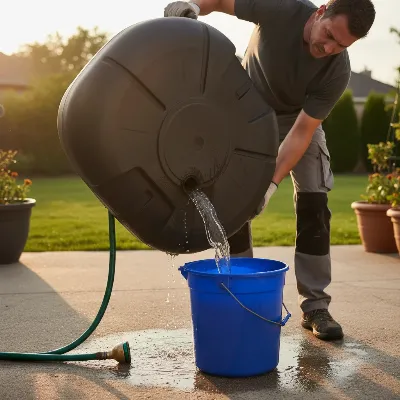 A patio umbrella base being drained of water before winter storage, with tools nearby.
Common Mistakes to Avoid During Winter Storage
Even with the best intentions, some common missteps can compromise your patio umbrella’s winter storage efforts. Being aware of these pitfalls can help you avoid them.
The most frequent mistake is storing a wet or damp umbrella. This is a direct invitation for mold, mildew, and fabric rot, which can destroy the canopy and create unpleasant odors. Always ensure the fabric and frame are bone-dry before packing away. Another common oversight is leaving the umbrella exposed to the elements without adequate protection. Even in milder climates, prolonged exposure to moisture, dirt, and UV rays (even weak winter sun) can cause significant damage.
Stacking heavy objects on top of a stored umbrella is a recipe for disaster. This can bend ribs, warp the frame, or crush the canopy, leading to irreversible damage. Find a dedicated spot where it won’t be subjected to such pressure. Lastly, ignoring the umbrella base during winter preparation is a critical error. Neglecting to drain water-filled bases can lead to cracking, while dirty or unprotected bases can deteriorate over the winter months. Remember that a sturdy base is fundamental to your umbrella’s stability and functionality.
Conclusion
As we look towards Spring 2026, the care you put into storing your patio umbrella this winter will directly impact its readiness and appearance. By committing to a thorough cleaning, meticulous drying, careful inspection, and strategic storage, you’re not just putting away an item; you’re preserving a valuable part of your outdoor sanctuary. These steps—from using a breathable cover to selecting the right dry, stable storage spot—are simple yet immensely effective in ensuring your patio umbrella provides comfort and style for years to come. Don’t let winter diminish your outdoor living experience; protect your investment now and enjoy a seamless transition into warmer days. What specific aspect of your patio umbrella storage are you most concerned about this winter?
Câu Hỏi Thường Gặp
How often should I clean my patio umbrella before winter storage?
It is recommended to thoroughly clean your patio umbrella once at the end of the season before winter storage. This ensures all accumulated dirt, debris, and potential organic matter are removed, preventing mold, mildew, and permanent stains during its dormant period.
Can I leave my patio umbrella outside during winter if it has a cover?
While a high-quality, weather-resistant cover offers some protection, leaving your patio umbrella outside for the entire winter is generally not advised. Extreme cold, heavy snow, ice, and strong winds can still cause damage to the frame and fabric over time, even with a cover. Indoor storage is always the best option.
What kind of cover is best for winter storage?
The best cover for winter storage is one that is water-resistant, durable, and, crucially, breathable. A breathable cover prevents moisture from being trapped inside, which can lead to mold and mildew. A snug fit is also important to ensure full protection from dust and pests.
How do I prevent mold and mildew during storage?
To prevent mold and mildew, ensure your patio umbrella canopy and frame are immaculately clean and completely dry before storage. Store it in a dry, well-ventilated area, and use a breathable protective cover. Avoid damp basements or sheds where humidity can build up.
Is it necessary to dismantle my patio umbrella for winter storage?
For most standard Patio Umbrellas, dismantling isn’t strictly necessary beyond removing it from the base. However, for larger or more complex cantilever umbrellas, detaching the canopy and arm section for separate indoor storage can offer enhanced protection and reduce strain on the mechanism. Always refer to your product manual for specific recommendations.